The Press Office of the Archdiocese of Caracas share with us the shares the conclusions and the horizons of a Church seeking to "cast the net" towards a more inclusive and co-responsible mission.
This report was prepared by Fr Leonardo Marius, parish priest of Santo Domingo de Guzmán parish and the person responsible for the appropriation process in the Archdiocese. Fr Marius actively accompanied the consultation, synthesis, and appropriation process of the Synod on Synodality in the Venezuelan capital.
The Archdiocese of Caracas, having dedicated an entire year to the systematic study of the Final Document on Synodality, wishes to move forward towards a Church that is constitutively missionary and which, in the words of Fr Leonardo Marius, «may reach out to, embrace, listen to, and accompany everyone, in the style of Jesus "the Nazarene," who continues to walk among us».
This is a good example – better, a good practice – to share among the local communities the ongoing efforts to become a more synodal Church.
The original version of the text is in Spanish below.
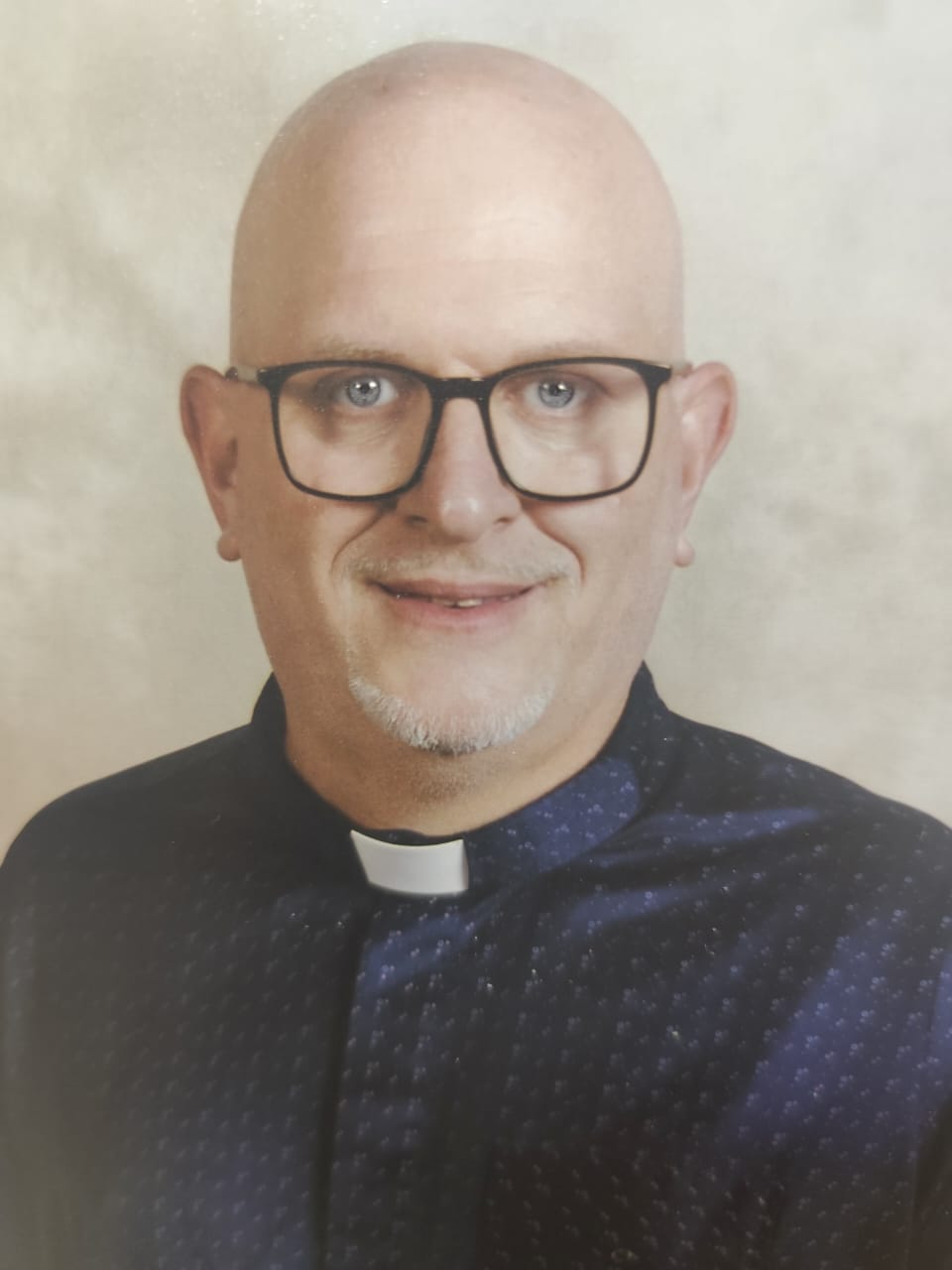
15 padre leonardo marios encargado de la sinodalidad en Caracas
14 padre Ricardo Guillen vicario pastoral
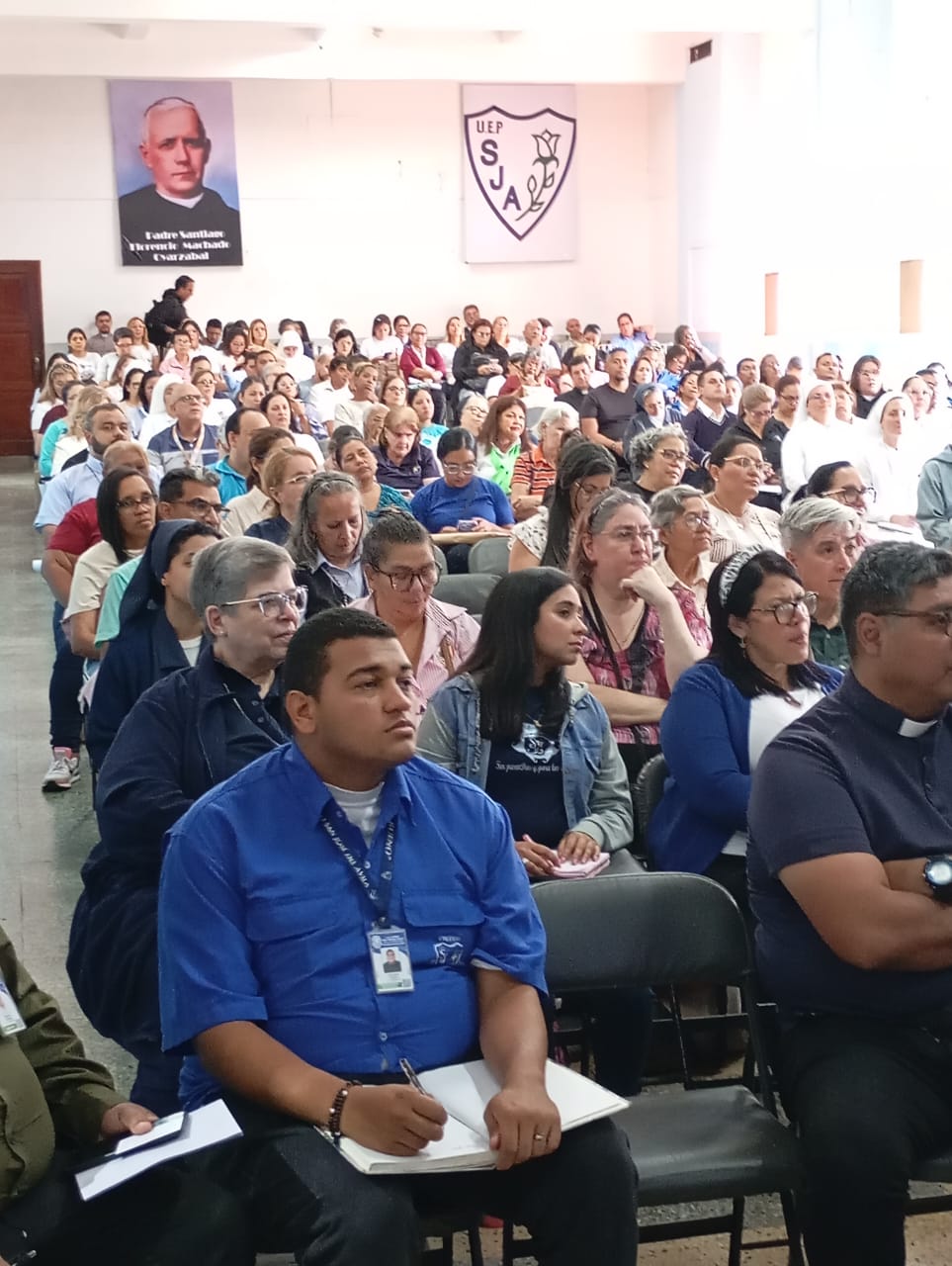
13 encuentro de laicos comprometidos
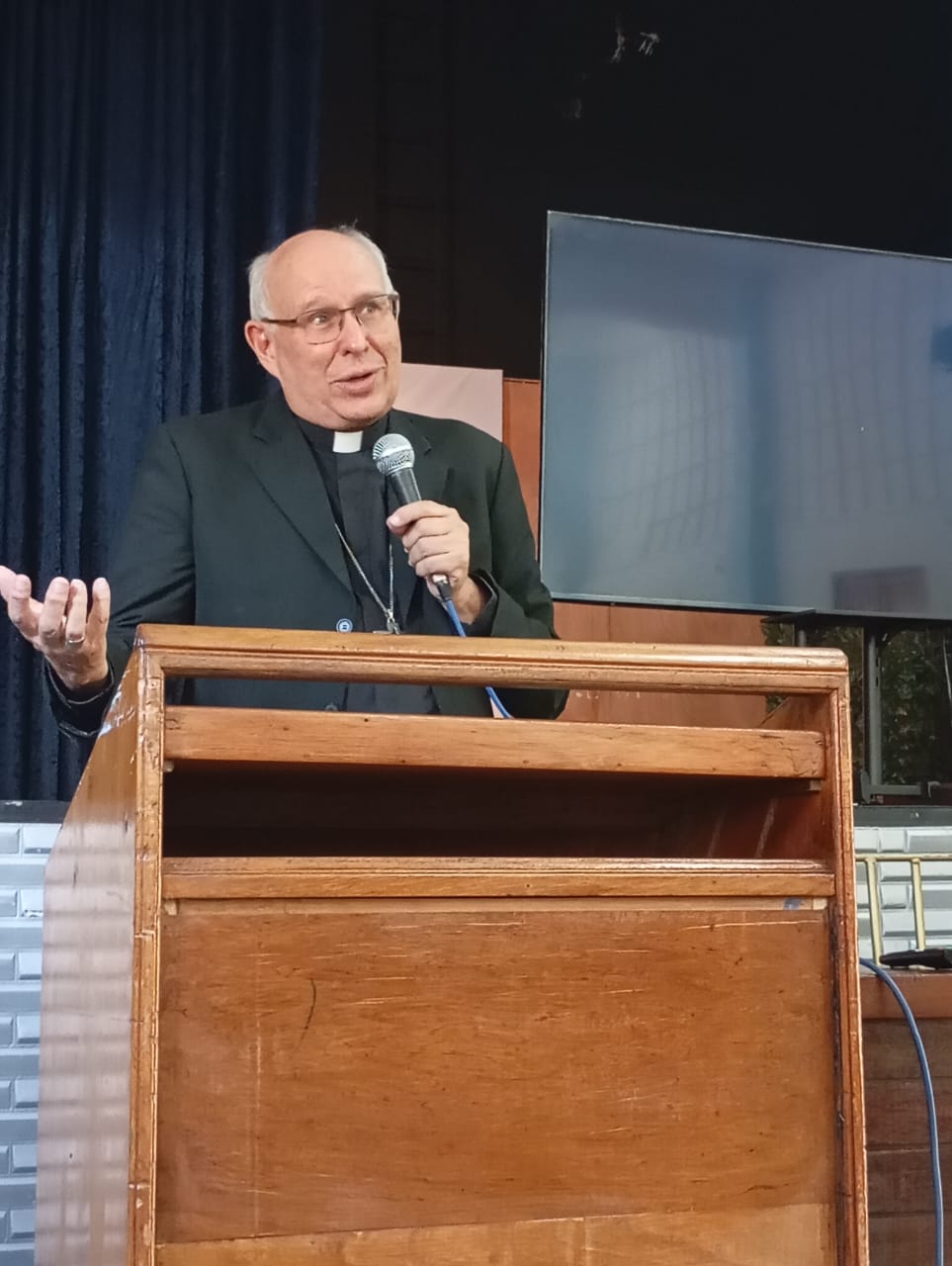
12 monseñor Raul explicando el proceso
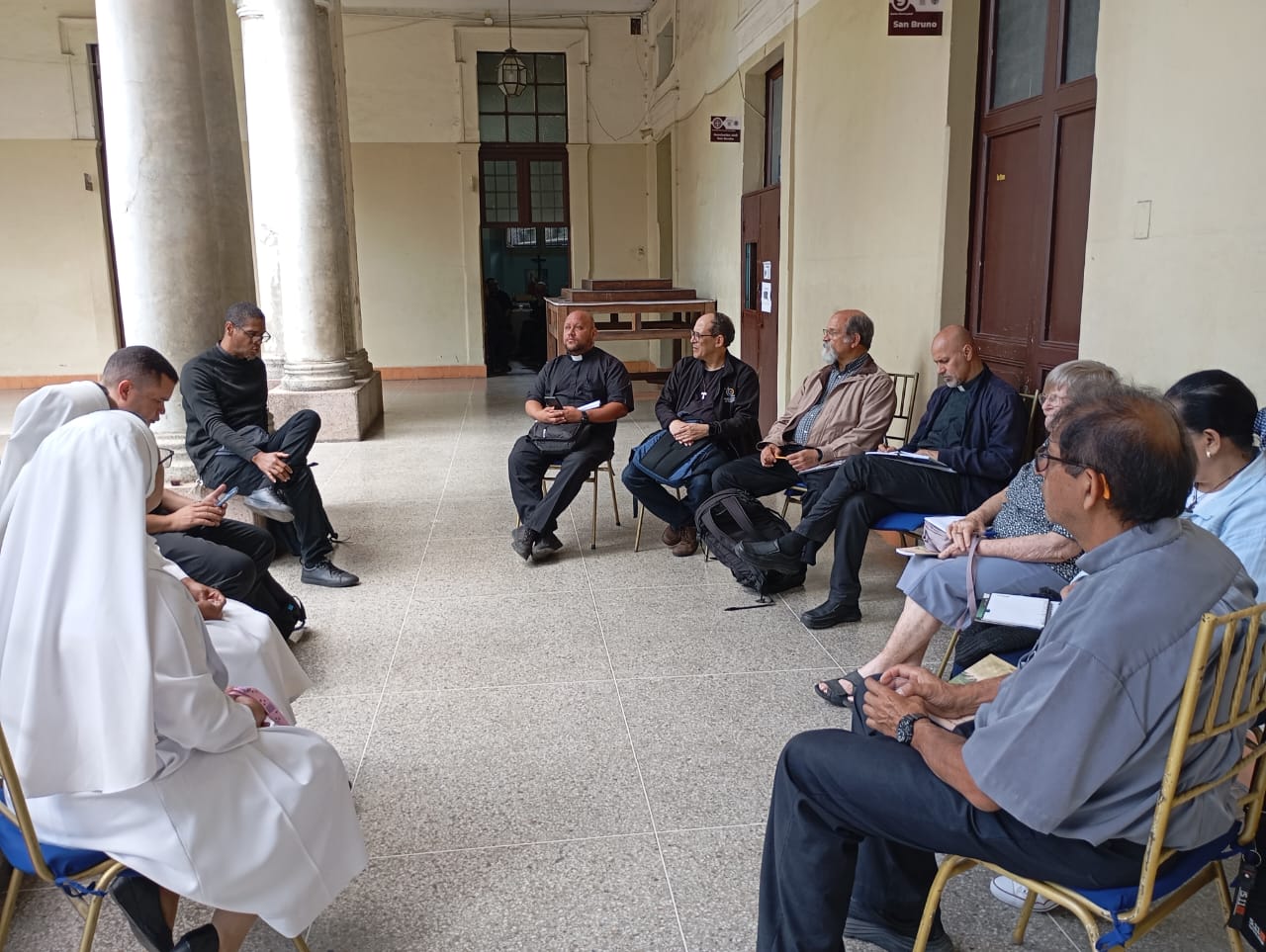
11 asamblea arciprestal
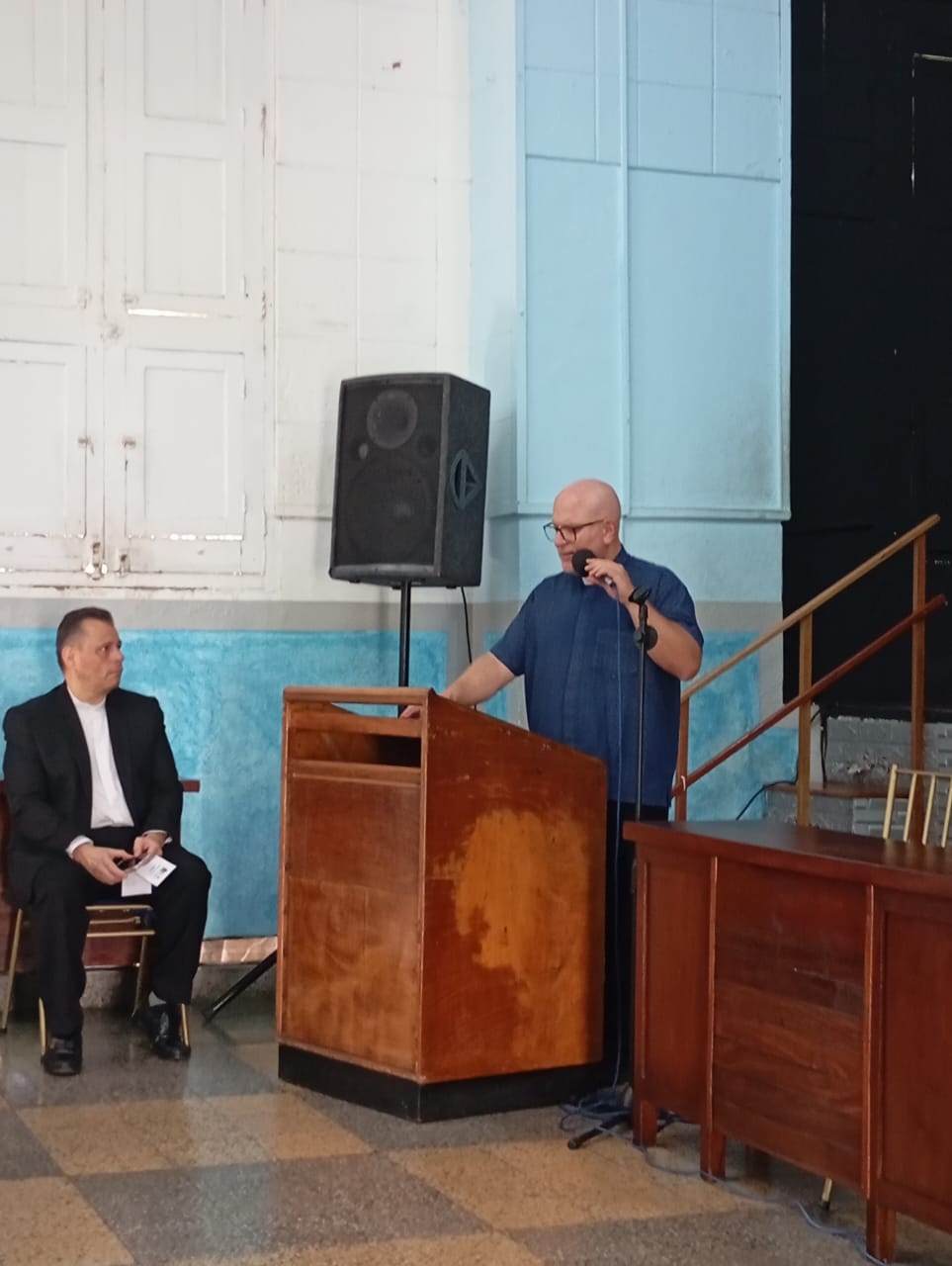
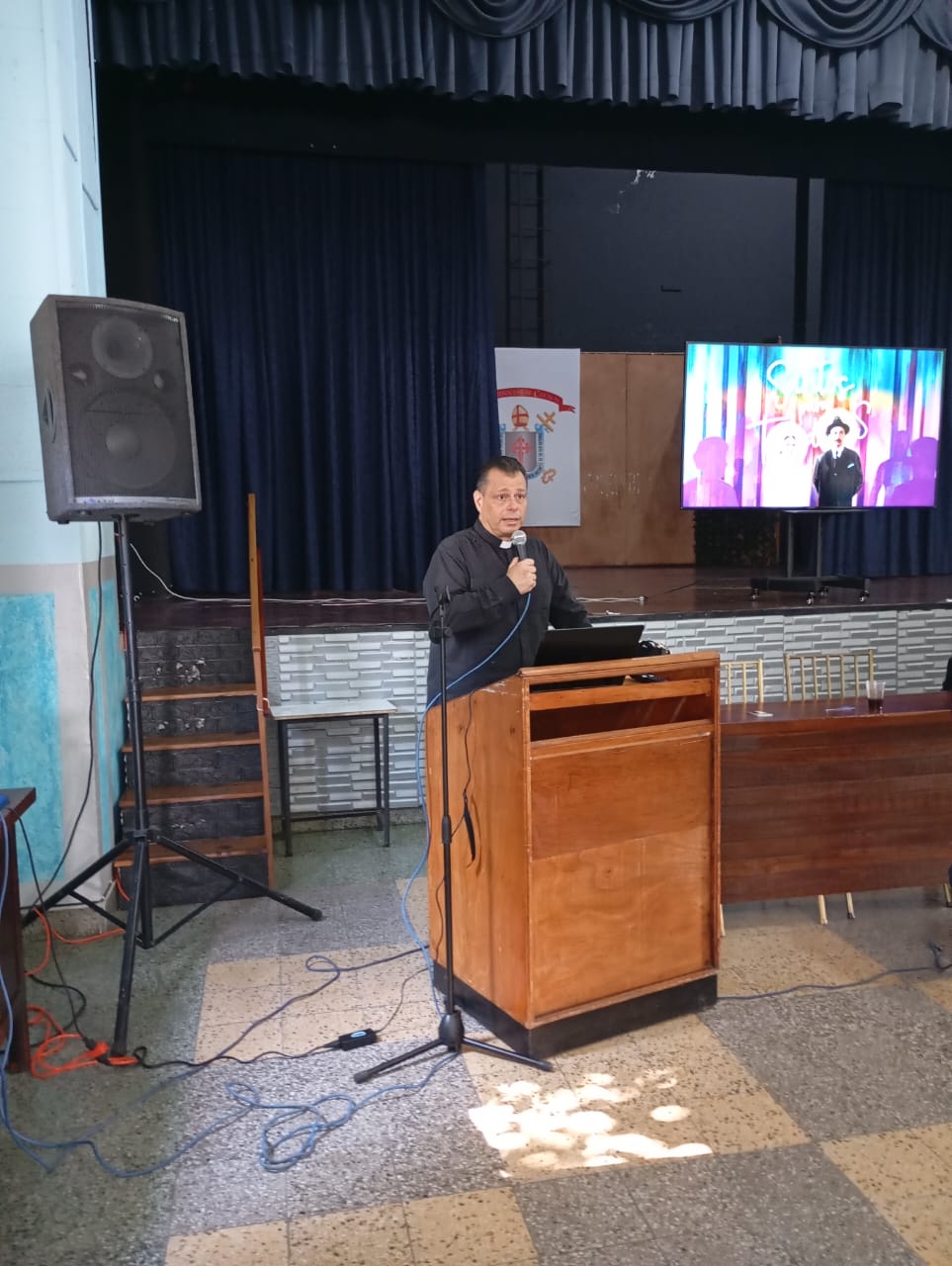
10 padre Leonardo Marius encargado del proceso de sinodalidad
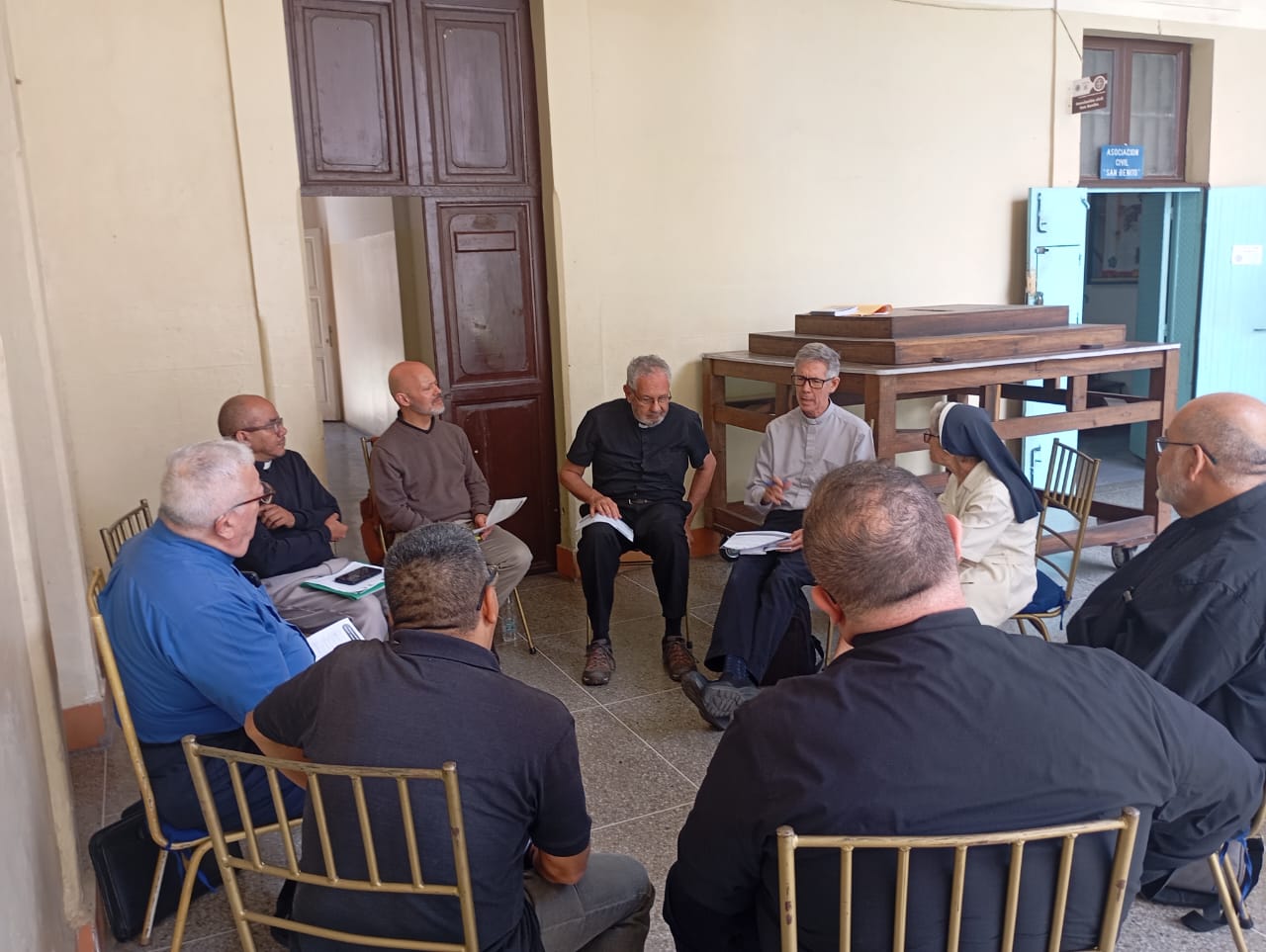
9 agentes de pastoral
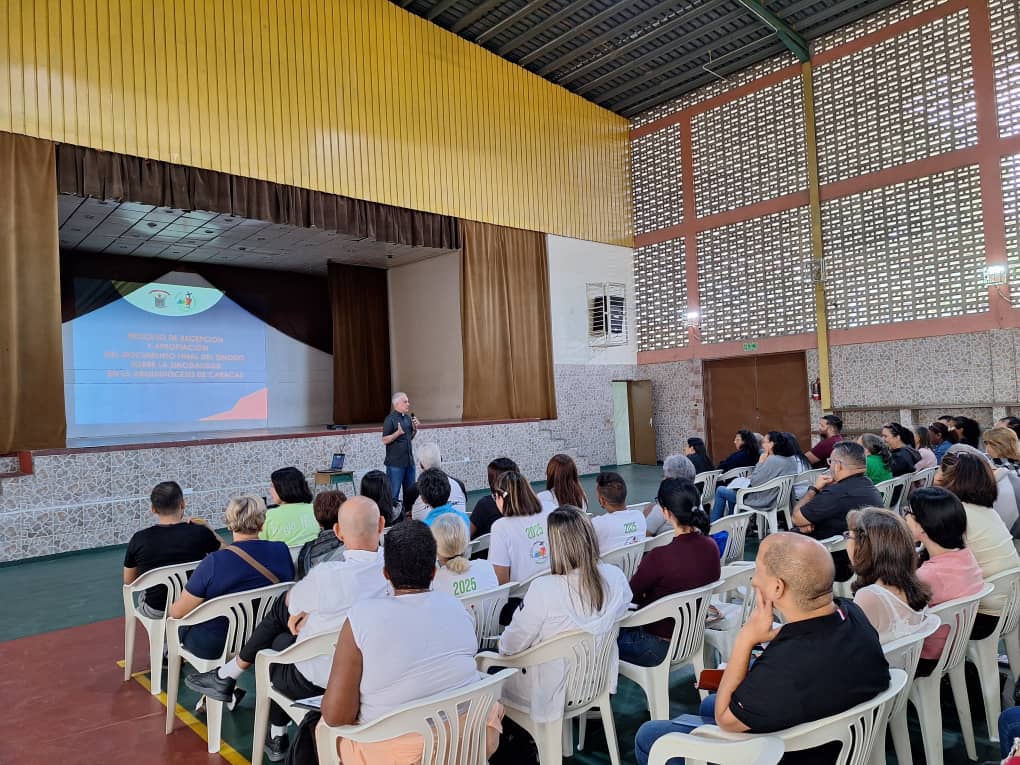
8 asamblea arciprestal
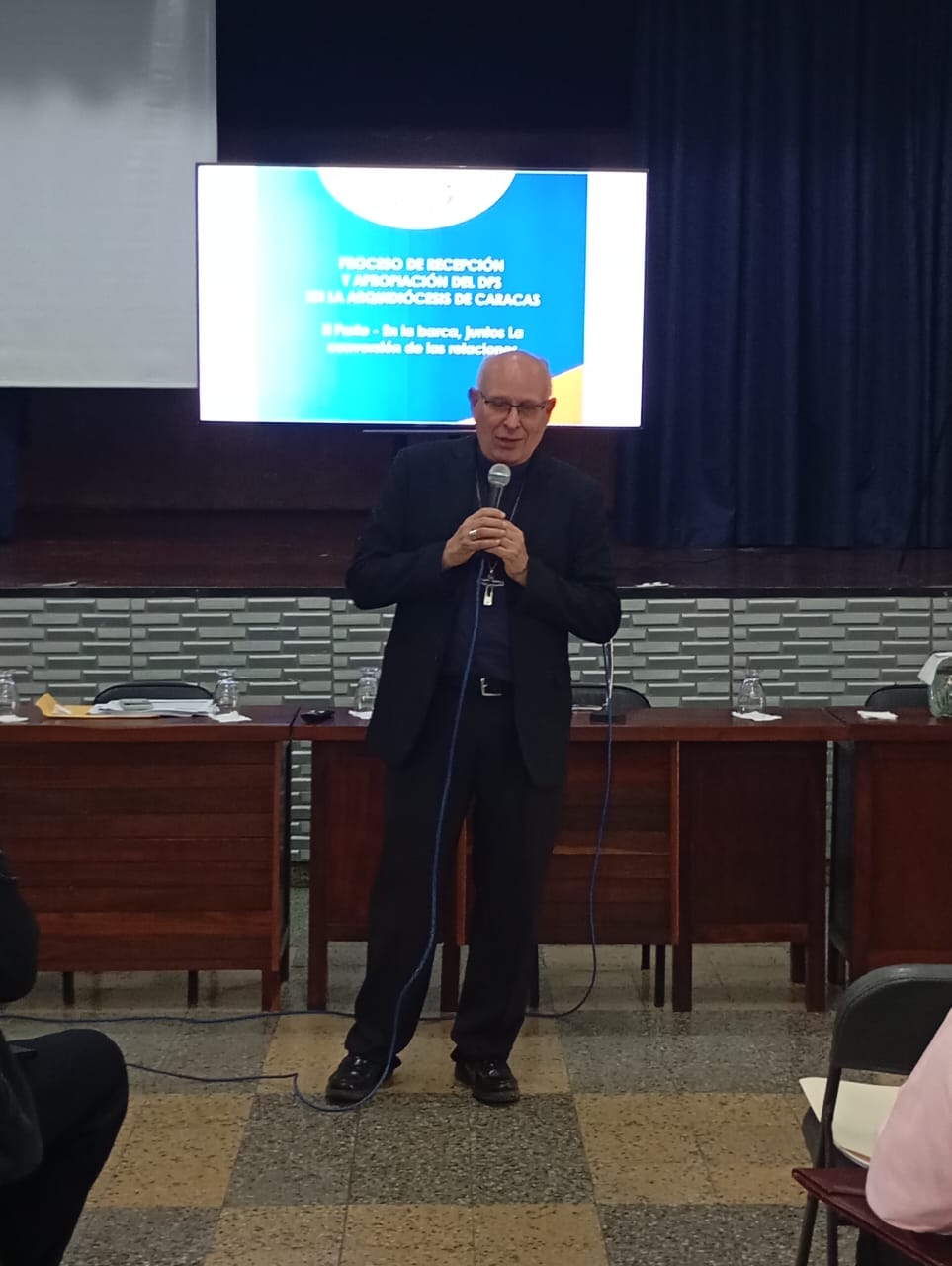
7 monseñor Raul Biord Arzobispo de Caracas
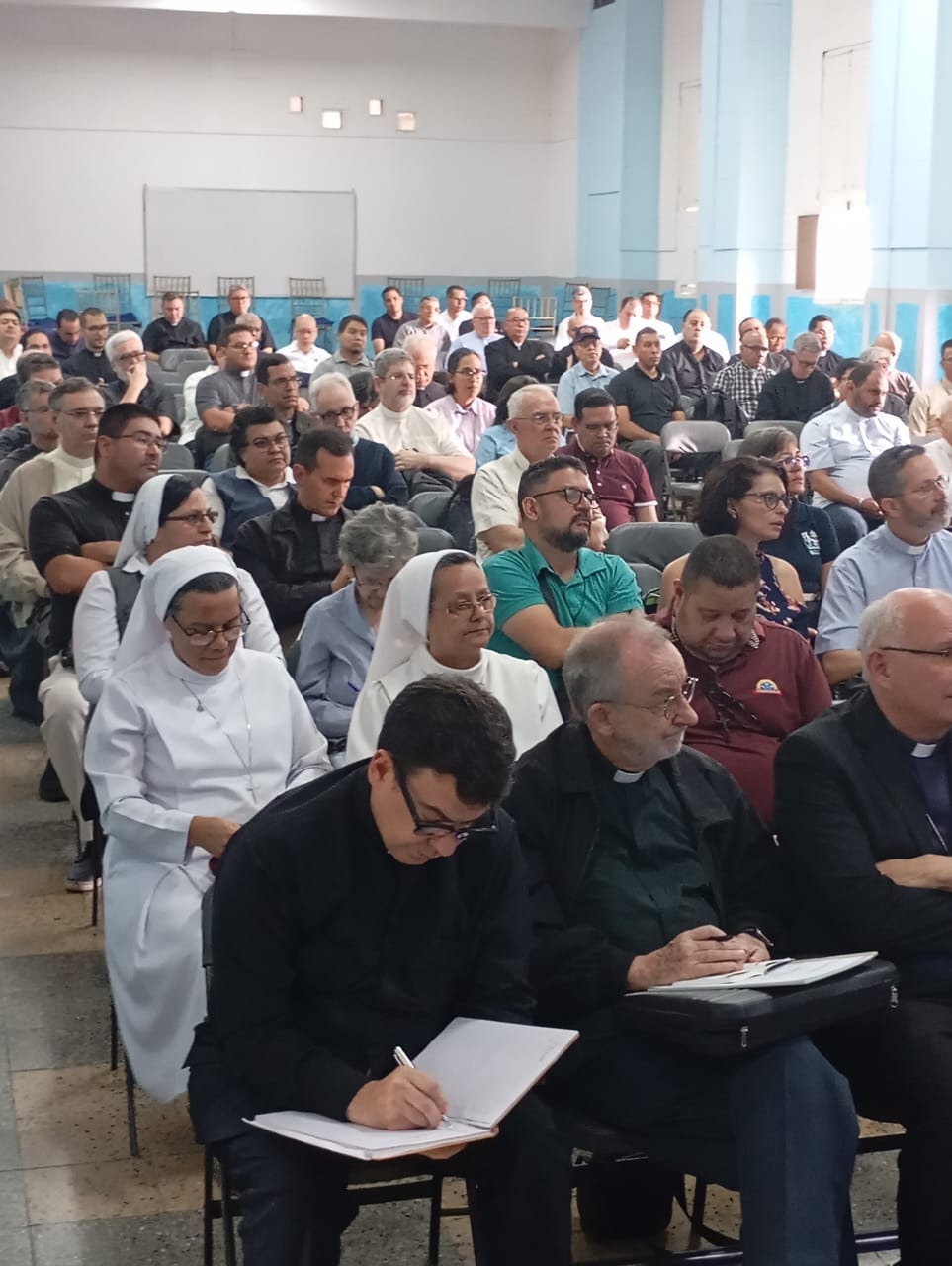
6 asamblea agentes de pastoral
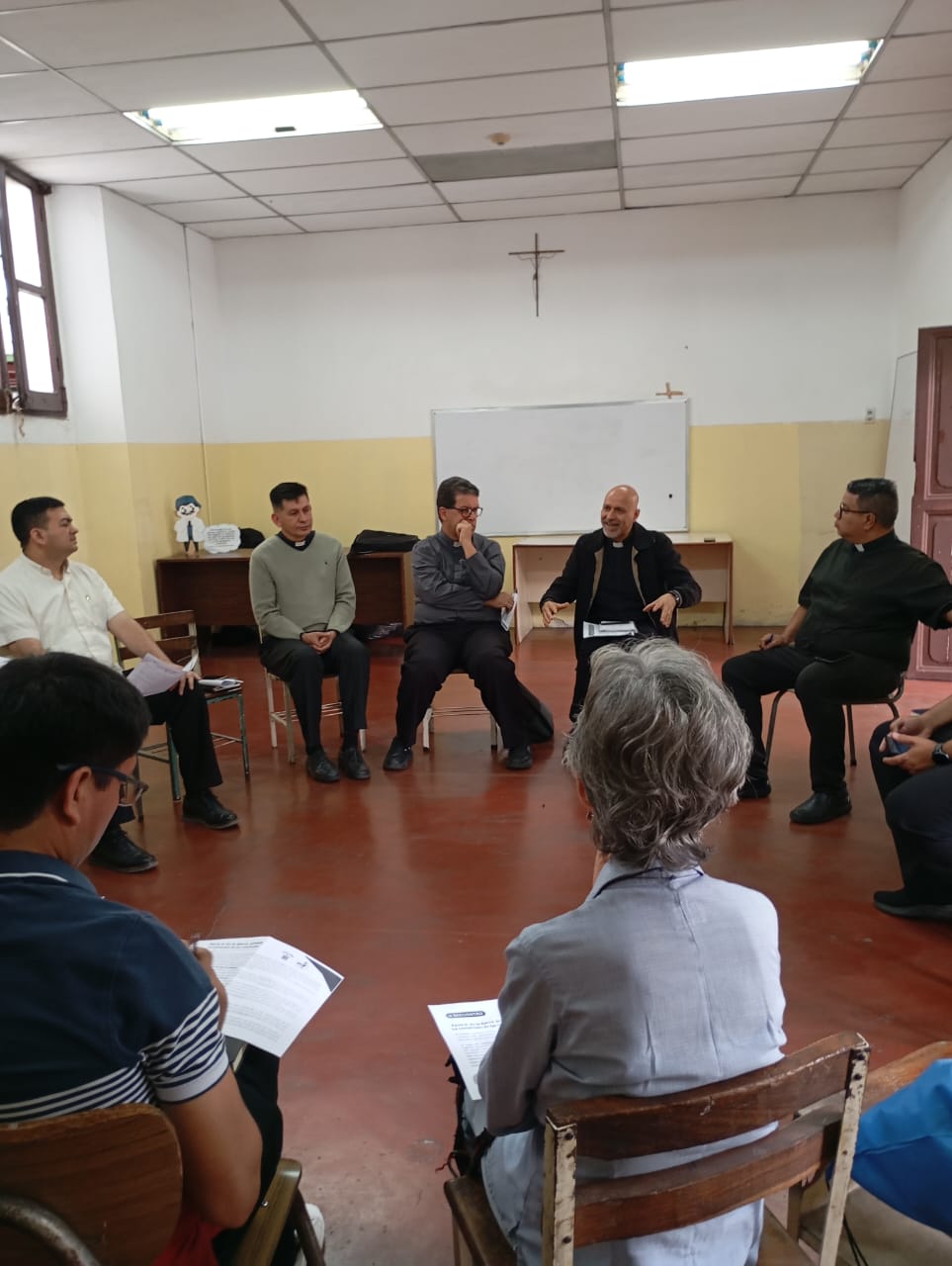
5 encuentro del clero
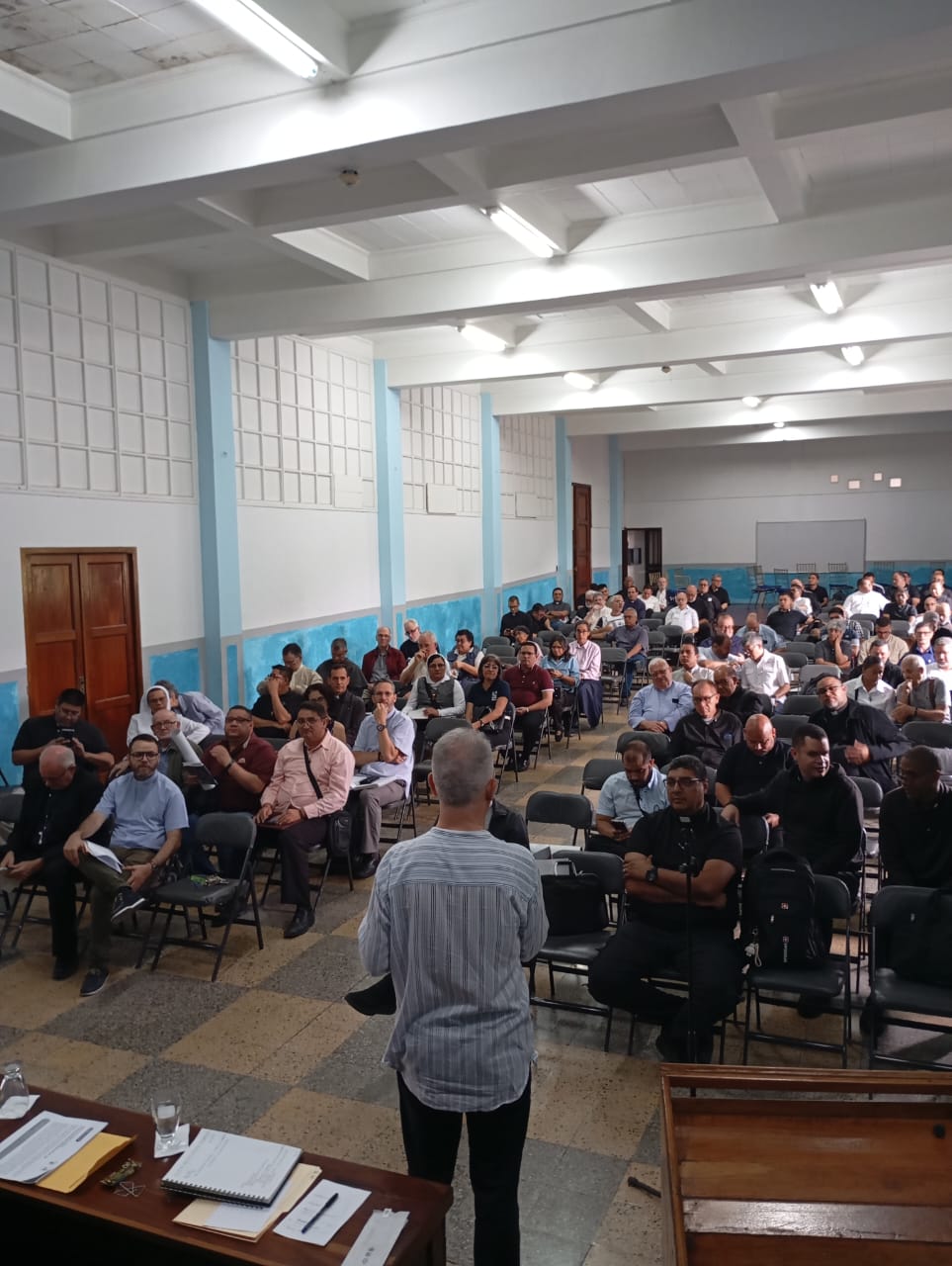
4 agentes de pastoral
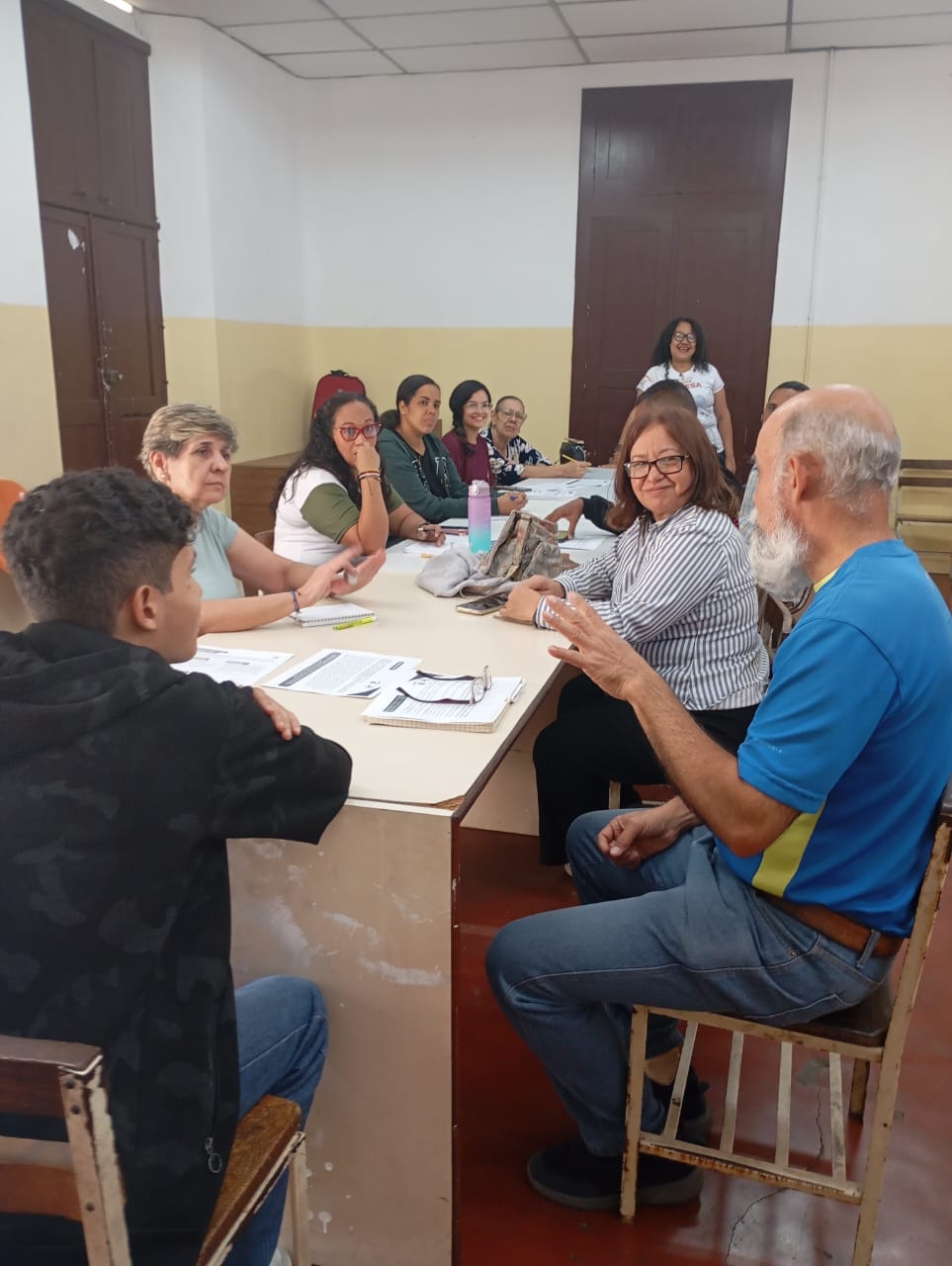
3 encuentro de agentes de pastoral
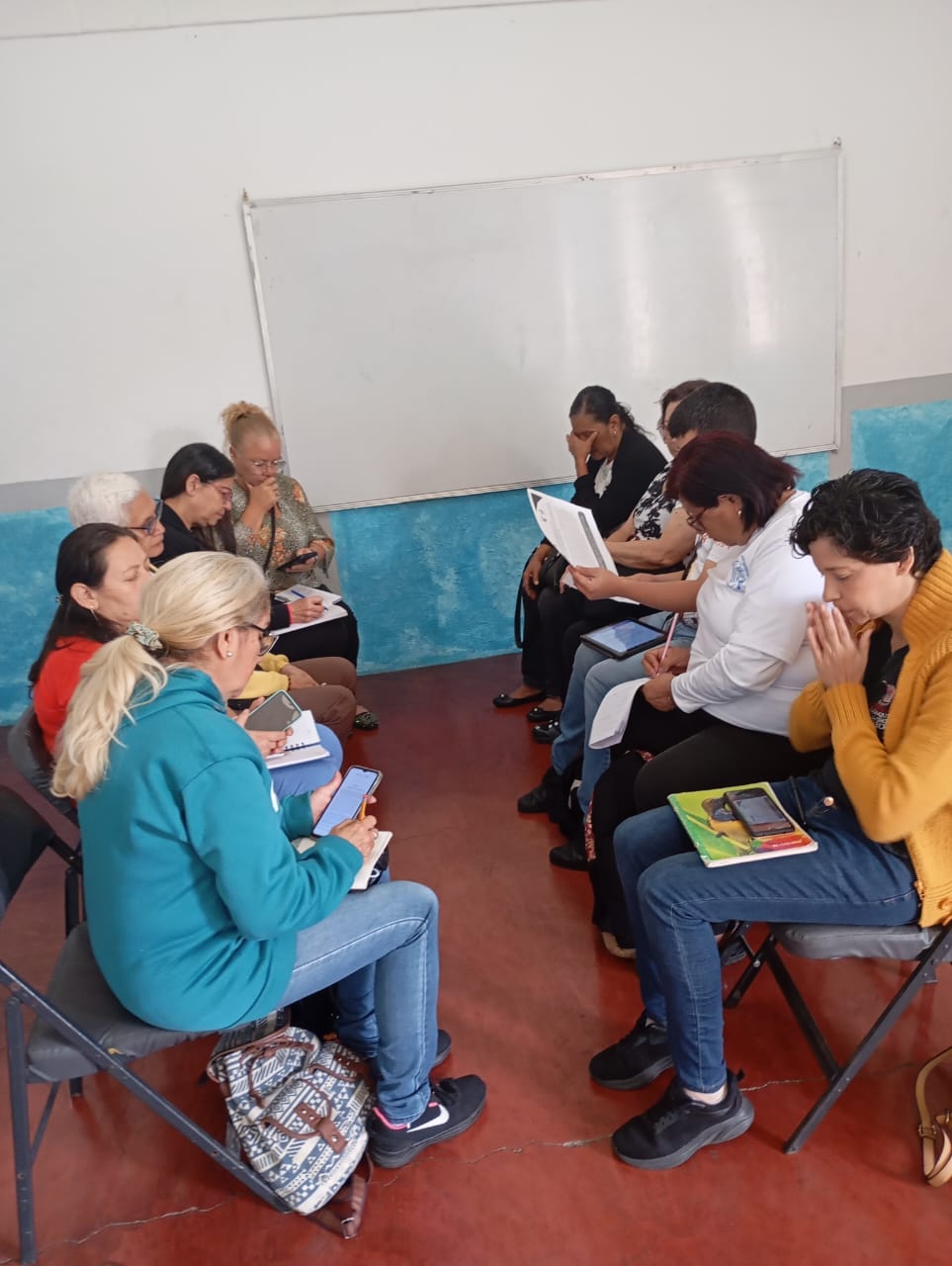
2 asambleas parroquiales
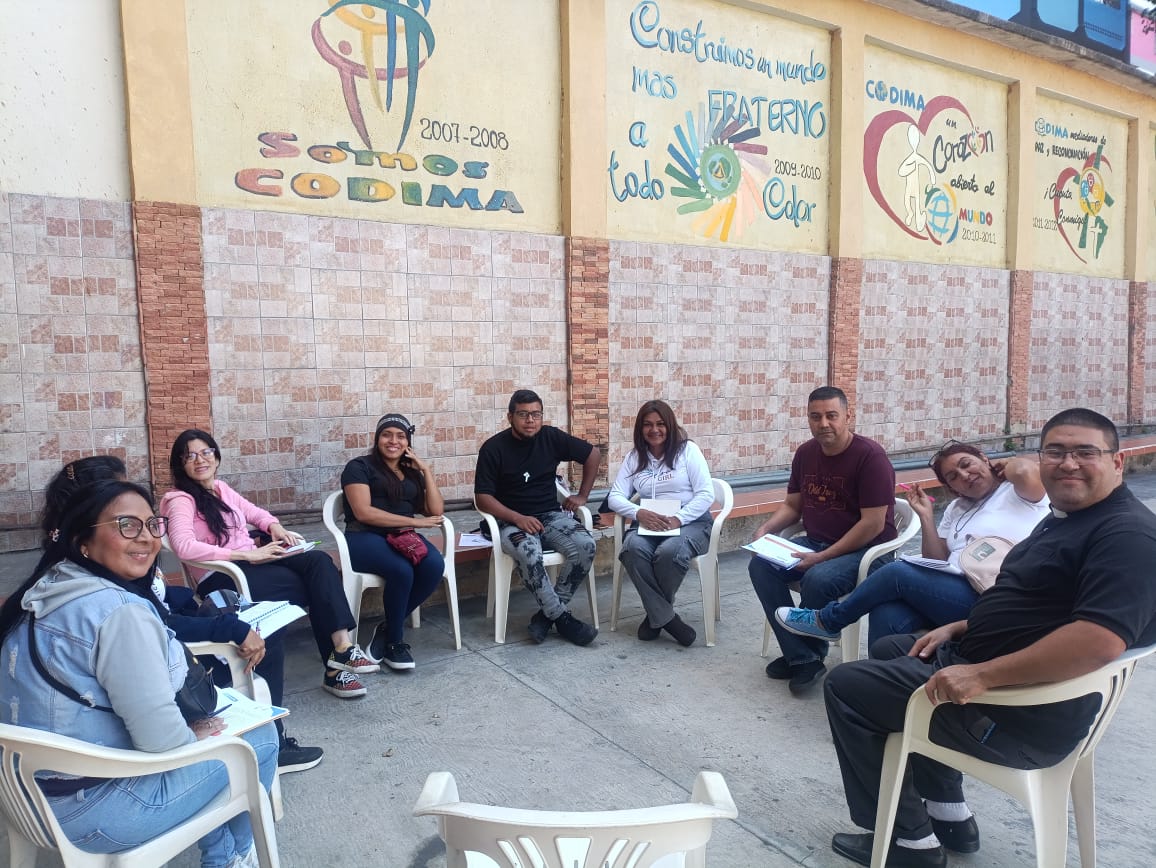
1 asambleas parroquiales
"In our archdiocese, we have carried out the entire process proposed for the universal Church, beginning in February 2022. After undertaking consultations (in order to listen to the People of God), gatherings, reflections, and various proposals, we concluded the appropriation of the Final Document on Synodality this March 2026 with the presentation of the contributions of the various parishes and deaneries.
What began as a response to Pope Francis's call has been transformed into a process of personal, ecclesial, and pastoral conversion which, above all else, seeks the «missionary dream of reaching everyone», following the model of the Church bequeathed to us by the Second Vatican Council and by the Plenary Council of Venezuela.
A Journey of Listening in Three Stages
What we lived in our archdiocese was not an isolated event, but an organic unfolding of participation:
- The universal consultation (2022–23): With more than 300 group consultations in parishes, schools, and social and business organisations, the Church of the capital asked herself how to make this «walking together» a reality today, in order to proclaim the Gospel.
- The synthesis phase (2024): Following the publication of the first universal synthesis, which was returned to the dioceses, 100 focused consultations were held, which fed into the Instrumentum Laboris for the second session of the Synod.
- The appropriation of the Final Document (2025): After the October 2024 session, the archdiocese devoted an entire year to studying and discerning the priorities for its implementation in the 2025–26 biennium.
In this stage, driven by the Vicariate for Pastoral Affairs, five assemblies of pastoral workers were held, together with five assemblies in the parishes and vicariates corresponding to the five chapters of the document, as well as two deanery assemblies in each deanery — one at the beginning to launch the work, and another at the end to evaluate the appropriation process.
The working group structured the reflection around the question: What aspects, affirmations, or pastoral orientations of the Final Document of the Synod must we take up as priorities in the pastoral action of the Archdiocese of Caracas? The underlying purpose of this question is to come to understand that, by virtue of our baptism, we are co-responsible for the mission of the Church, and to take up the challenges and pastoral priorities of a future pastoral plan for our archdiocese, built up from within the communities themselves.
The Most Notable Conclusions of the Synodal Process in Caracas
The document that summarises all the work done by the Archdiocese of Caracas in the 2025 gatherings presents a call from the Spirit to personal, pastoral, and ecclesial conversion, urging the Church to return to her "first love" and to walk together without fear. Emphasis is placed on recovering the baptismal dignity of the laity, in order to foster co-responsibility and holiness in our walking together as Church, overcoming tendencies towards clericalism that run counter to the spirit of the ecclesiology of Vatican II.
Among the priorities mentioned is the creation of ministries to accompany those who feel distant from the Church — such as the divorced and remarried — and vulnerable groups such as prisoners, the elderly, and persons with disabilities. It is proposed to strengthen youth, family, and catechetical pastoral care in a synodal key, valuing the diversity of charisms and active listening. The contributions stress that fraternity is indispensable for synodality, and they call for ongoing formation that will make it possible to move from a "pastoral approach of maintenance/ritualism" to one decidedly missionary, prophetic, and social.
Recurring Themes
What recurs most insistently throughout the assemblies is the need for conversion in leadership in the style of Jesus, and the importance of integral formation of the laity:
- Integral formation: This is the most frequently mentioned point. Formation is required not only in doctrine, but in discernment, in the Social Doctrine of the Church, and in spiritual and organisational tools for pastoral councils.
- The leading role of the laity: Recovering baptismal dignity, so that lay people may not be merely collaborators, but active co-responsible members of the Christian community.
- Overcoming clericalism: The need to overcome "clericalism" is mentioned with insistence, in favour of a leadership rooted in service and listening, rather than in power and centralism.
- Missionary conversion: Moving from an individualistic pastoral approach ("fishing with a rod") to a collective one ("fishing with a net").
Impact on the Surrounding Reality and the Venezuelan Context
The contributions reveal a Church seeking to be a response to the crisis of hope and the fractured social fabric of Venezuela:
- Attention to the existential «peripheries»: The creation of ministries is proposed to accompany the «discarded»: the poor, prisoners, abandoned older persons, and persons with disabilities.
- Greater inclusion:
- Ecclesial: Our communities are often closed in upon themselves. A conversion is sought towards a Church that goes forth, with open doors for all.
- Social: At the same time, there is a clear demand for a Church that builds bridges, that works alongside society to overcome polarisation.
- Transparency and accountability: In a national context where the recovery of institutional trust is crucial, it is proposed to strengthen the Economic Councils, so that resources may be managed according to evangelical criteria, with transparency in the rendering of accounts to the community.
- Digital culture: It is recognised that the digital environment is vital for mission, with proposals even to create a "digital apostolate" to evangelise and to counter polarisation.
The Greatest Challenges for the Archdiocese of Caracas
The document identifies very deep challenges, both structural and of mindset:
- Moving from unilateral decisions to communal discernment, as the appropriate method for taking decisions and prioritising urgent matters.
- The challenge of creating and formalising ministries of listening and accompaniment for those who feel distant from the Church or are in spiritual or existential crisis.
- Moving from a presence that is merely cultic to a presence of closeness in hospitals, prisons, and cultural and sporting spaces, entrusting real responsibilities to young people.
- The challenge of establishing "objective indicators" to evaluate pastoral work.
Challenges and Horizons
This whole synodal process — which is undoubtedly progressive and slow, as is every process of true conversion — has awakened great interest in the lay faithful of Caracas, a visible fruit of the Holy Spirit; and thanks to the impetus given to it by our Archbishop, Mons. Raúl Biord, together with the Vicariate for Pastoral Affairs, the Council of Priests, and the archdiocesan secretariats, it continues to move forward in fulfilling its mission.
With this phase of appropriation now concluded, the new phase proposes to renew and strengthen, in a synodal key, the structures of participation — especially the Pastoral Councils (parish, deanery, and diocesan) — within a spirituality of listening and co-responsibility, ensuring the genuine participation and representation of the communities, pastoral works, and charisms present within them.
Methodologically, the proposal is to adopt communal discernment — the method of Conversation in the Spirit — for decision-making, establishing objective indicators by which to measure the pastoral fruits."
“En nuestra arquidiócesis, hemos realizado todo el proceso propuesto para la iglesia universal, comenzando en febrero del 2022. Luego de realizar consultas (para escuchar al pueblo de Dios), encuentros, reflexiones y propuestas diversas, hemos culminado la apropiación del documento final de la Sinodalidad este mes de marzo de 2026 con la presentación de los aportes de las diversas parroquias y arciprestazgos.
Lo que comenzó como una respuesta a la convocatoria del Papa Francisco se ha transformado en un proceso de conversión personal, eclesial y pastoral que busca, por encima de todo, el «sueño misionero de llegar a todos» siguiendo el modelo de iglesia que nos dejó el Concilio Vaticano II y el Concilio Plenario de Venezuela.
Un camino de escucha en tres etapas
Lo vivido en nuestra arquidiócesis no fue un evento aislado, sino un despliegue orgánico de participación:
- La consulta universal (2022-23): Con más de 300 consultas grupales en parroquias, colegios y organizaciones sociales y empresariales, la Iglesia capitalina se preguntó cómo realizar hoy ese «caminar juntos» para anunciar el Evangelio.
- La fase de síntesis (2024): Tras la publicación de la primera síntesis universal que fue devuelta a las diócesis, se realizaron 100 consultas focalizadas que nutrieron el Instrumento de Trabajo para la segunda sesión del Sínodo.
- La apropiación del documento final (2025): Tras la sesión de octubre de 2024, la arquidiócesis dedicó un año entero a estudiar y discernir las prioridades para su aplicación en el bienio 2025-26.
En esta etapa impulsada por la Vicaría de Pastoral, se realizaron cinco asambleas de agentes de pastoral, cinco asambleas en las parroquias y vicarías correspondientes a los cinco capítulos del documento, así como dos asambleas arciprestales en cada arciprestazgo, una al inicio para motivar el trabajo y otra al final para evaluar el proceso de apropiación.
El equipo de trabajo organizó la reflexión a partir de la pregunta: ¿Qué aspectos, afirmaciones u orientaciones pastorales del Documento Final del Sínodo debemos asumir de modo prioritario en la acción pastoral de la arquidiócesis de Caracas? El trasfondo de esta interrogante tiene como objetivo comprender que somos corresponsables por el bautismo de la misión de la iglesia y, asumir los desafíos y las prioridades pastorales para un futuro plan pastoral para nuestra arquidiócesis construido desde las comunidades.
Conclusiones más sobresalientes del proceso sinodal en Caracas
El documento que resume todo el trabajo hecho por la Arquidiócesis de Caracas en los encuentros del 2025 presenta un llamado del Espíritu a la conversión personal, pastoral y eclesial, instando a la Iglesia a volver al "primer amor" y caminar juntos sin miedo. Se enfatiza la recuperación de la dignidad bautismal del laicado para fomentar la corresponsabilidad y la santidad en el caminar juntos como iglesia, superando tendencias al clericalismo que son contrarias al espíritu de la eclesiología del Vaticano II.
Entre las prioridades mencionadas, se encuentra la creación de ministerios para acompañar a personas alejadas, como divorciados vueltos a casar, y a sectores vulnerables como presos, ancianos y personas con discapacidad. Se propone fortalecer la pastoral juvenil, familiar y catequética bajo una clave sinodal que valore la diversidad de carismas y la escucha activa. Los aportes subrayan que la fraternidad es indispensable para la sinodalidad y aboga por una formación continua que permita pasar de una "pastoral de mantenimiento/ritualista" a una decididamente misionera/profética y social.
Aspectos recurrentes
Lo que más se repite a lo largo de las asambleas es la necesidad de conversión en el liderazgo al estilo de Jesús y la importancia de la formación integral de los laicos:
- Formación integral: Es el punto más mencionado. Se requiere formación no solo doctrinal, sino en discernimiento, Doctrina Social de la Iglesia y herramientas espirituales y organizativas para consejos pastorales.
- Protagonismo del laicado: Recuperar la dignidad bautismal para que los laicos no sean solo colaboradores, sino corresponsables activos en la comunidad cristiana.
- Superación del clericalismo: Se menciona con insistencia la necesidad de superar el "clericalismo", favoreciendo un liderazgo desde el servicio, la escucha y no desde el poder y centralismo.
- Conversión misionera: Pasar de una pastoral individualista ("pesca con caña") a una de conjunto ("pesca con red").
Impacto en el entorno y realidad venezolana
Los aportes muestran una Iglesia que busca ser respuesta ante la crisis de esperanza y el tejido social fracturado de Venezuela:
- Atención a las "periferias" existenciales: Se propone la creación de ministerios para acompañar a los "descartados": pobres, presos, adultos mayores abandonados y personas con discapacidad.
- Mayor inclusión:
- Eclesial: Nuestras comunidades muchas veces están cerradas en sí mismas. Se pide la conversión hacia una iglesia en salida, de puertas abiertas a todos.
- Social: A su vez, se evidencia la exigencia de una iglesia que construya puentes, que colabore con la sociedad a superar la polarización.
- Transparencia y rendición de cuentas: En un contexto país donde la recuperación de la confianza institucional es clave, se propone fortalecer los Consejos Económicos para manejar recursos con criterios evangélicos y transparencia en la rendición de cuentas ante la comunidad.
- Cultura digital: Se reconoce que el entorno digital es vital para la misión, proponiendo incluso la creación de un "apostolado digital" para evangelizar y evitar la polarización.
Los mayores retos para la Arquidiócesis de Caracas
El documento identifica desafíos estructurales y de mentalidad muy profundos:
- Pasar de decisiones unilaterales al discernimiento comunitario, como método oportuno para la toma de decisiones y priorización de urgencias.
- El reto de crear y formalizar ministerios de escucha y acompañamiento para personas alejadas o en crisis espirituales/existenciales.
- Pasar de una presencia meramente cultual a una presencia cercana en hospitales, cárceles y espacios culturales/deportivos, delegando responsabilidades reales a los jóvenes.
- El desafío de establecer "indicadores objetivos" para evaluar el trabajo pastoral.
Desafíos y Horizontes
Todo este proceso sinodal, que sin duda es progresivo y lento como todo proceso de verdadera conversión, ha despertado un gran interés en el laicado caraqueño siendo este un fruto visible del Espíritu Santo, y que gracias al impulso que le está dando nuestro arzobispo monseñor Raúl Biord, junto a la Vicaría de Pastoral, del Consejo Presbiteral y de los secretariados arquidiocesanos, sigue avanzando para cumplir su cometido.
Concluida esta fase de apropiación, la nueva fase, se propone renovar y fortalecer en clave sinodal las estructuras de participación, especialmente los Consejos Pastorales (parroquiales, arciprestales y diocesanos) bajo una espiritualidad de escucha y corresponsabilidad, asegurando la real participación y representatividad de las comunidades, pastorales y carismas presentes en las comunidades.
Metodológicamente, se propone asumir el discernimiento comunitario – el método de la Conversación en el Espíritu - para la toma de decisiones, estableciendo indicadores objetivos para medir los frutos pastorales”.