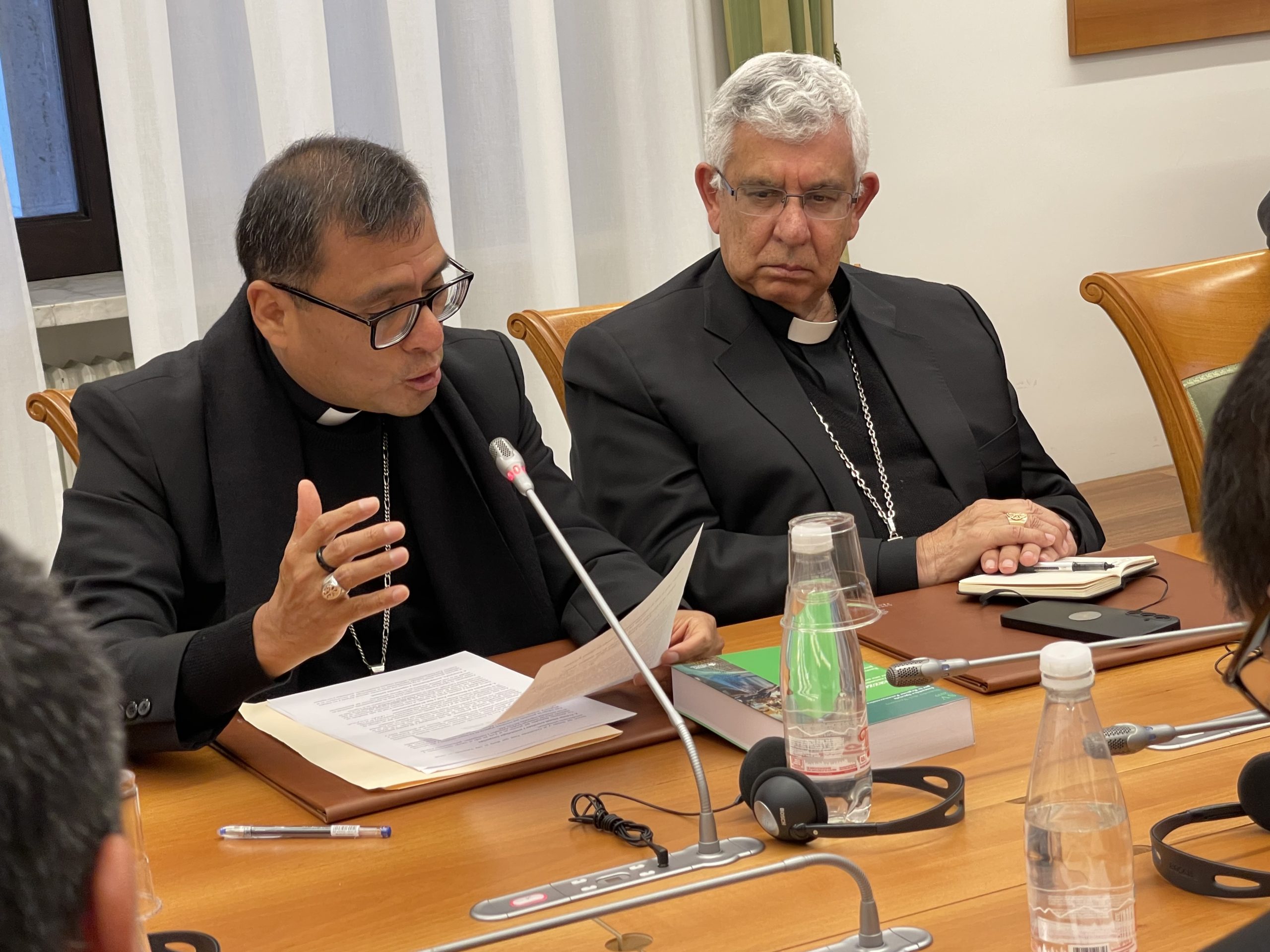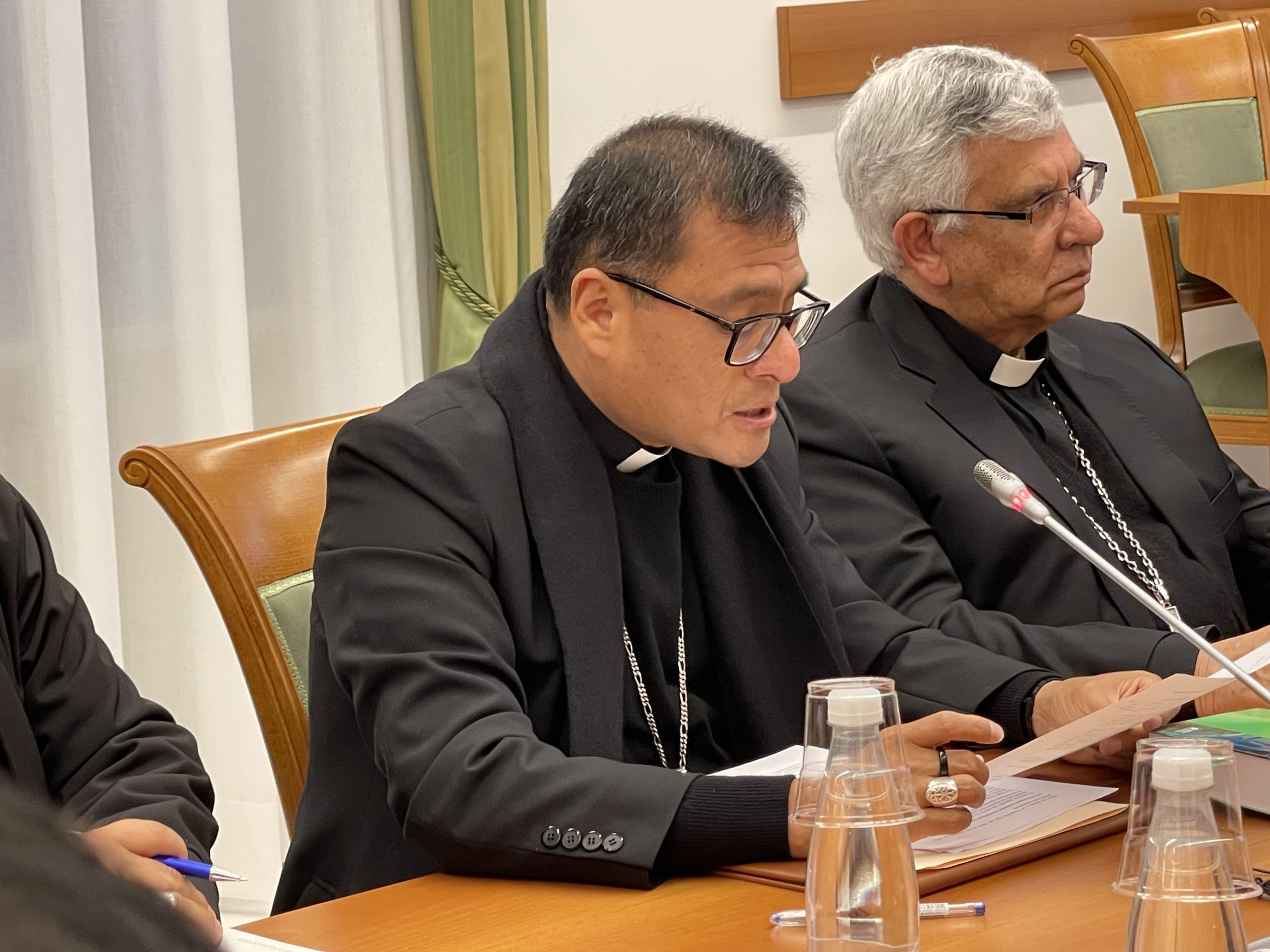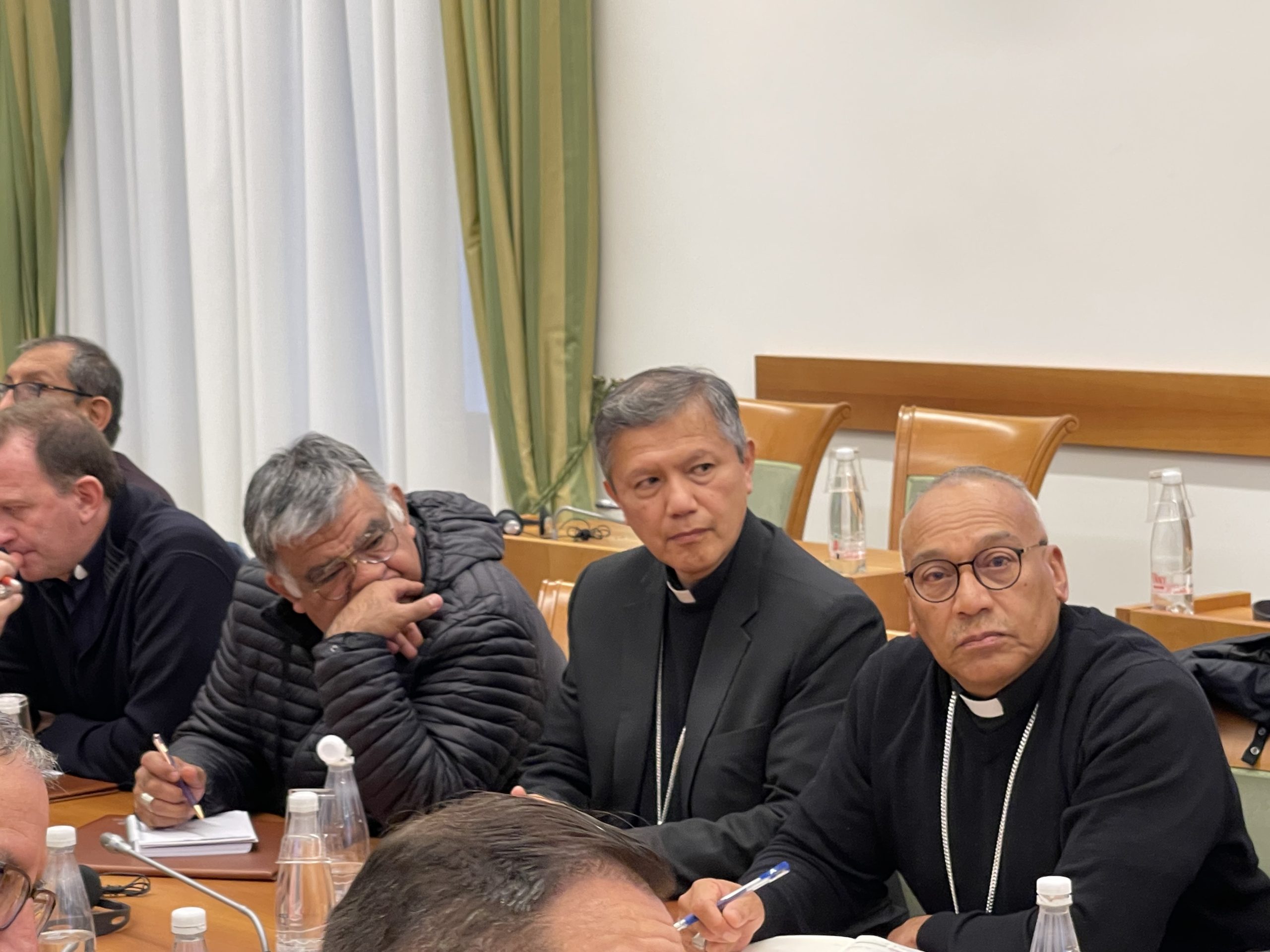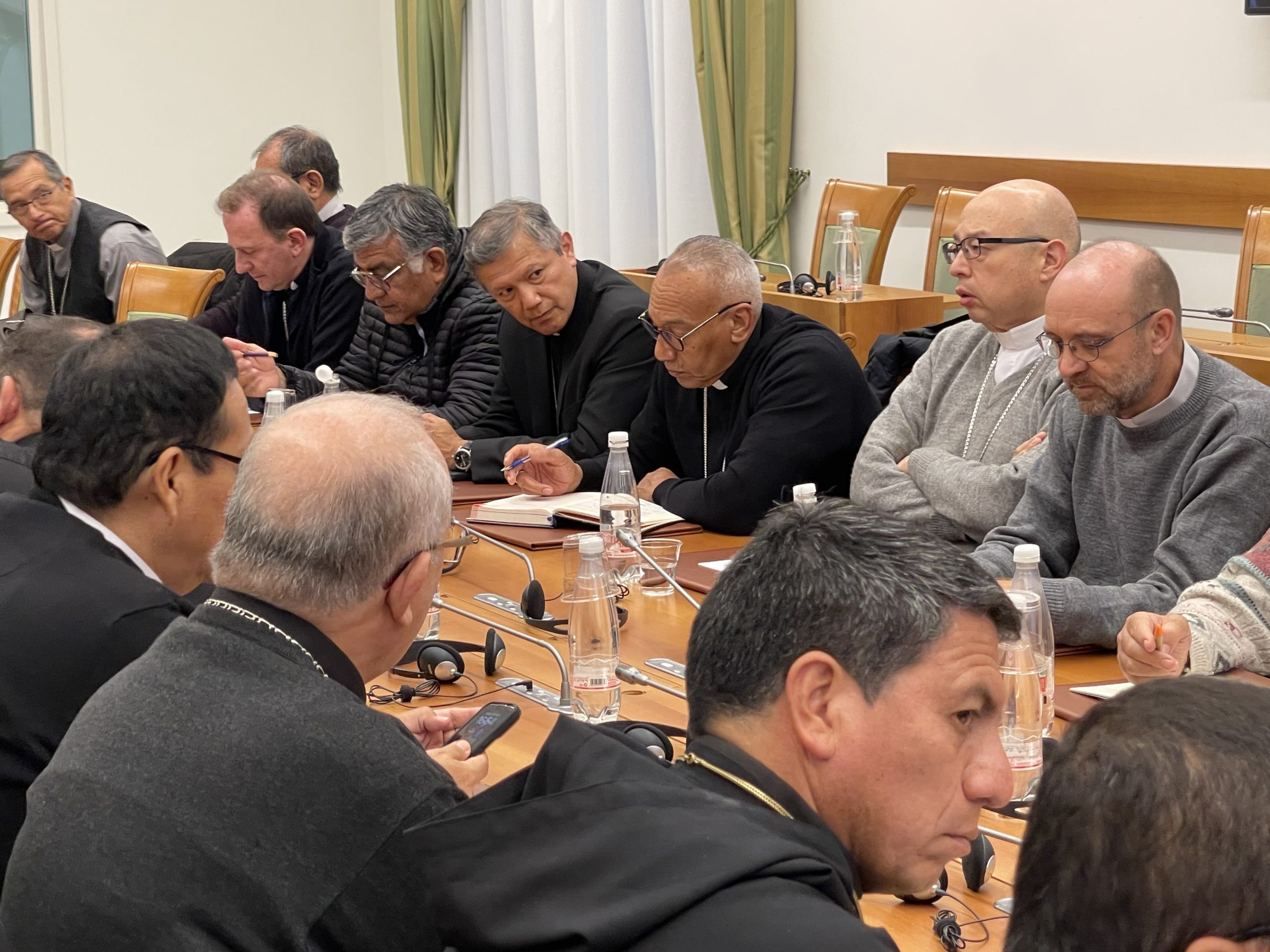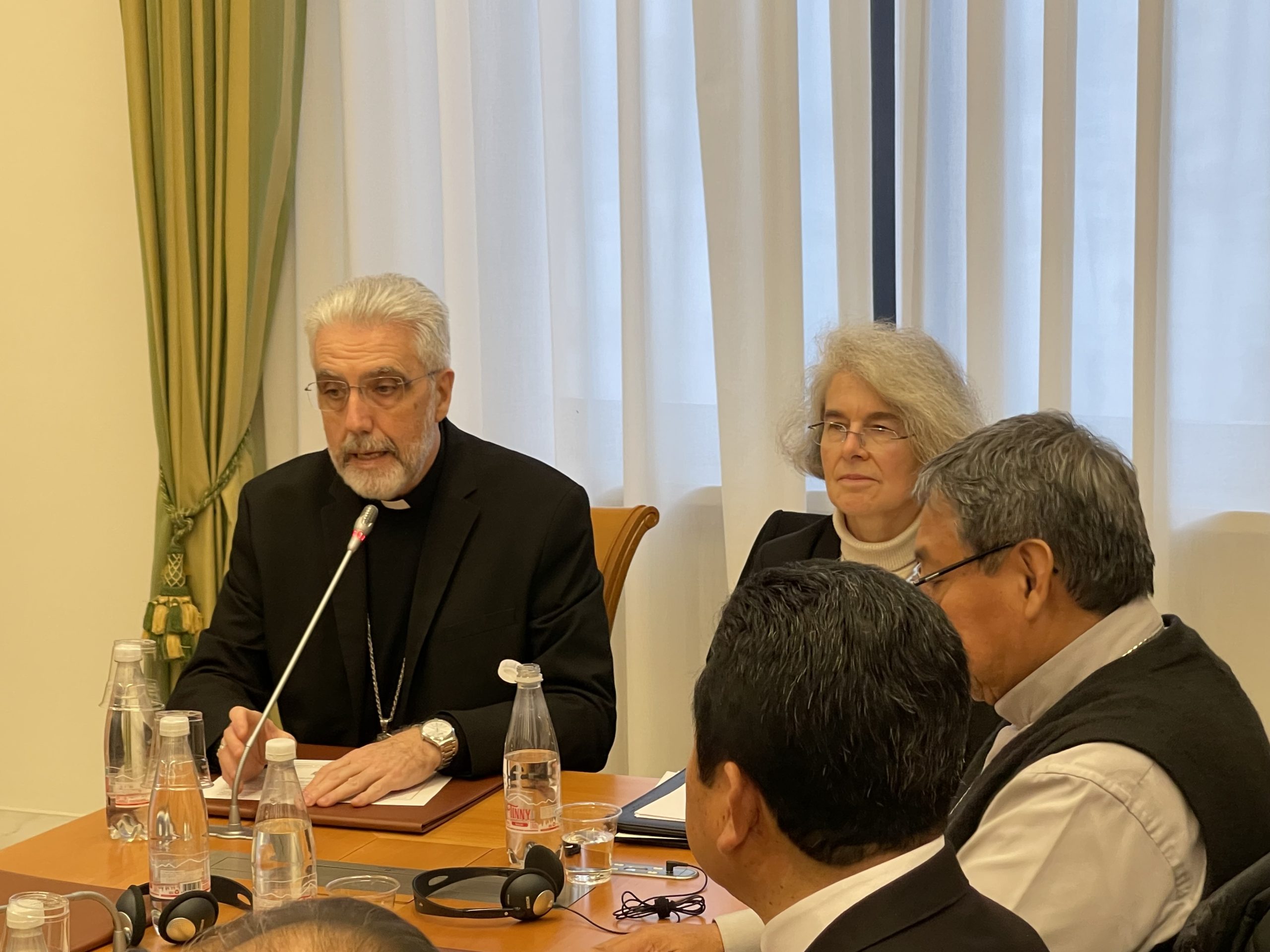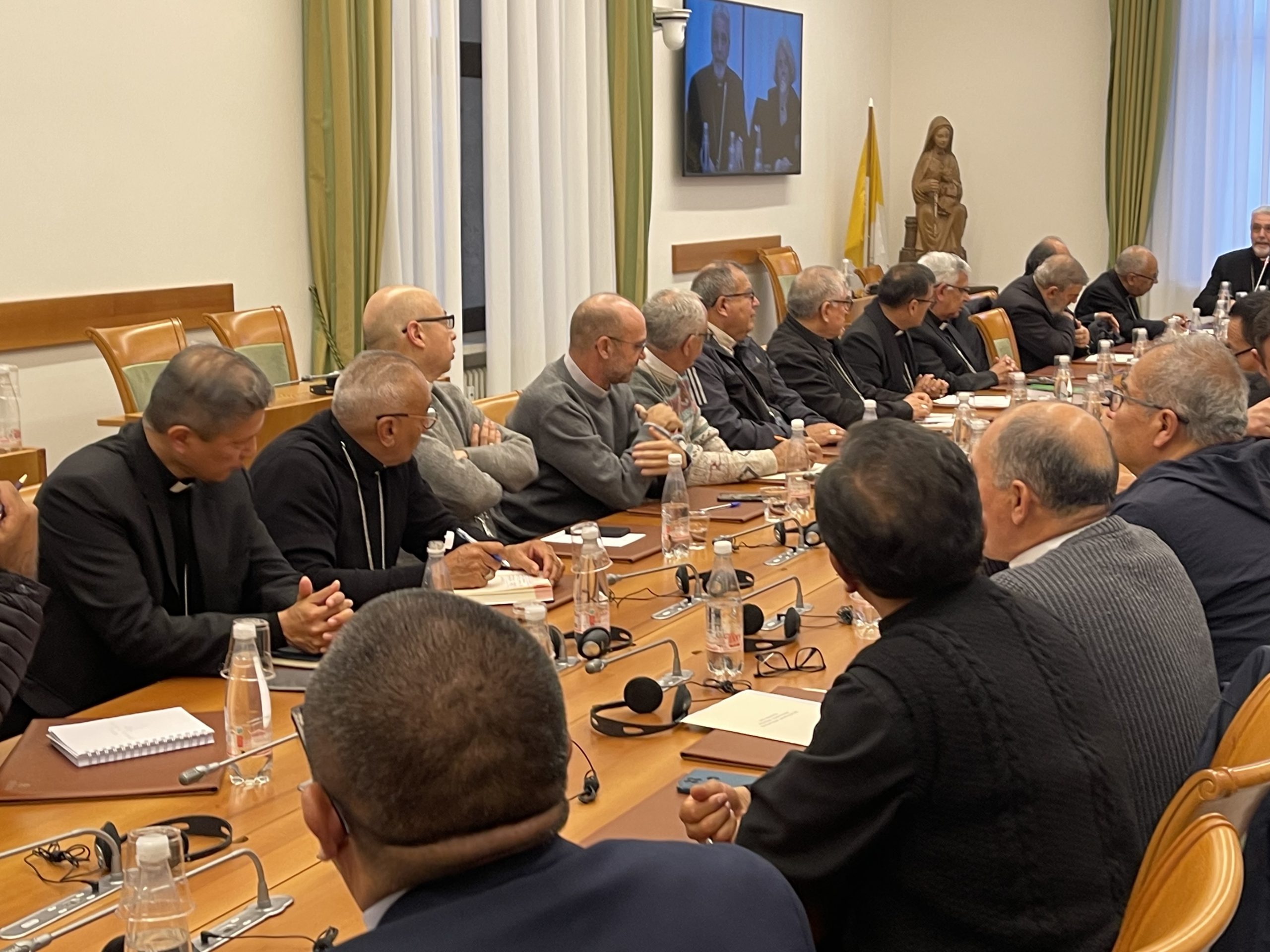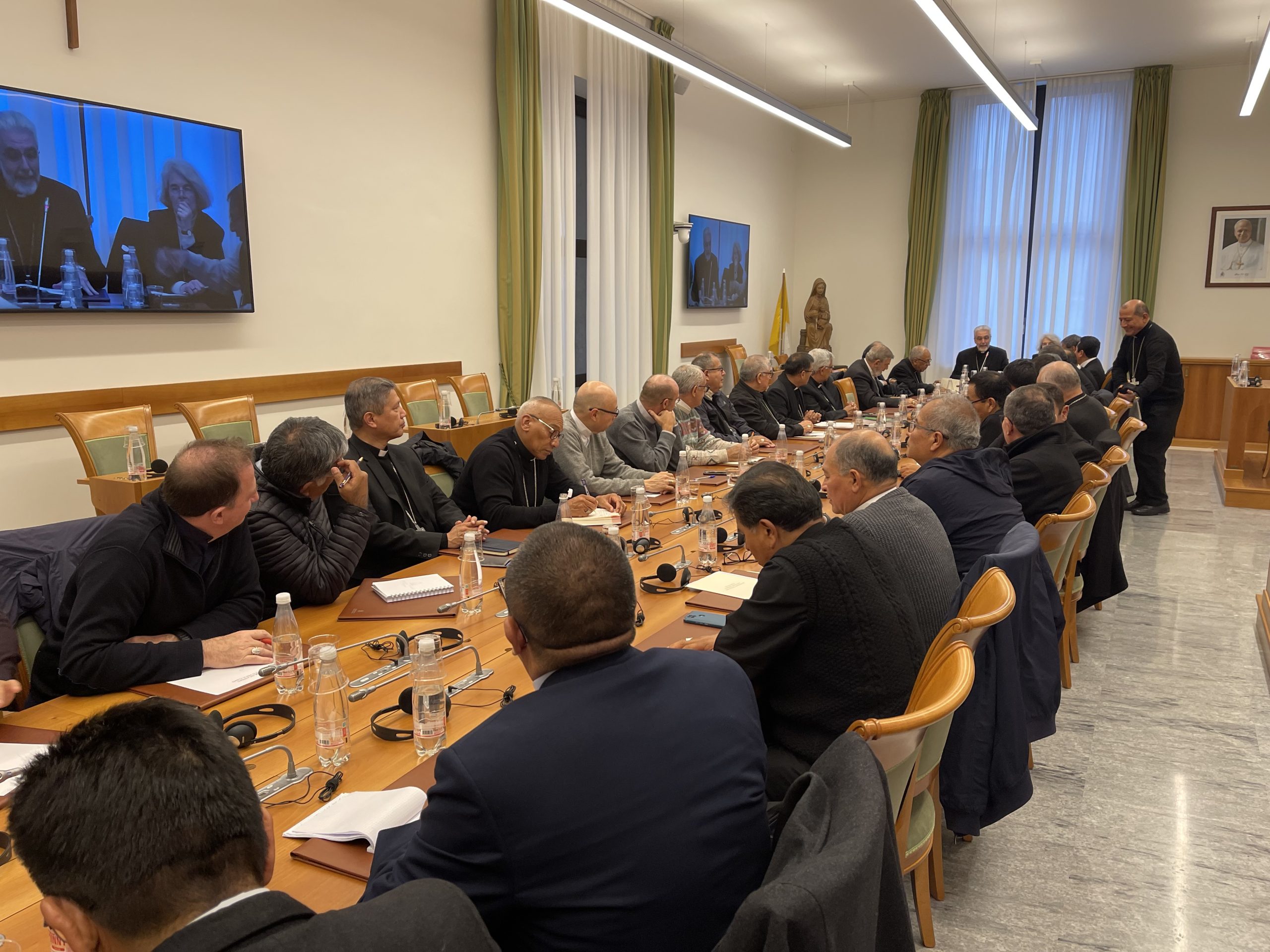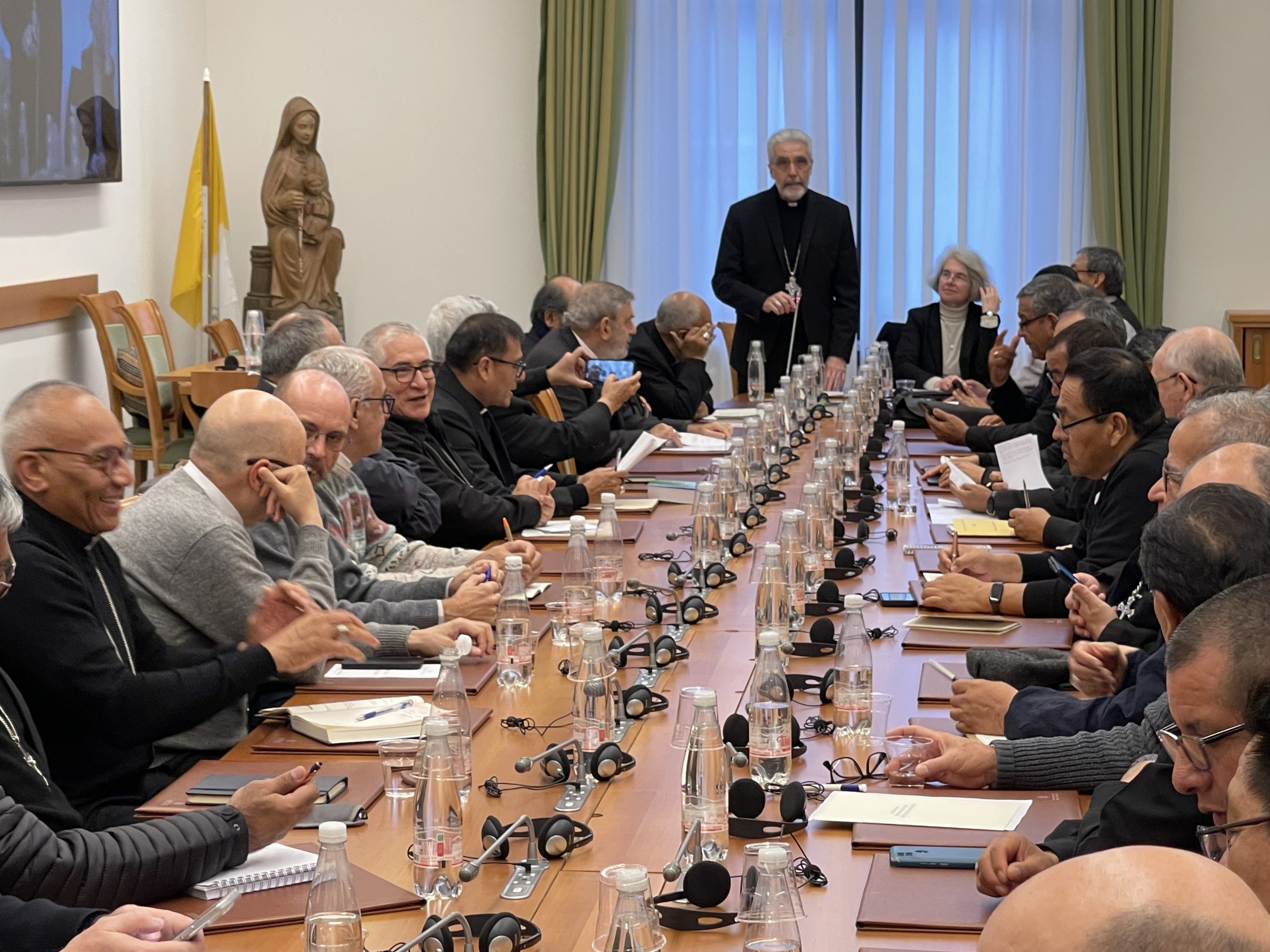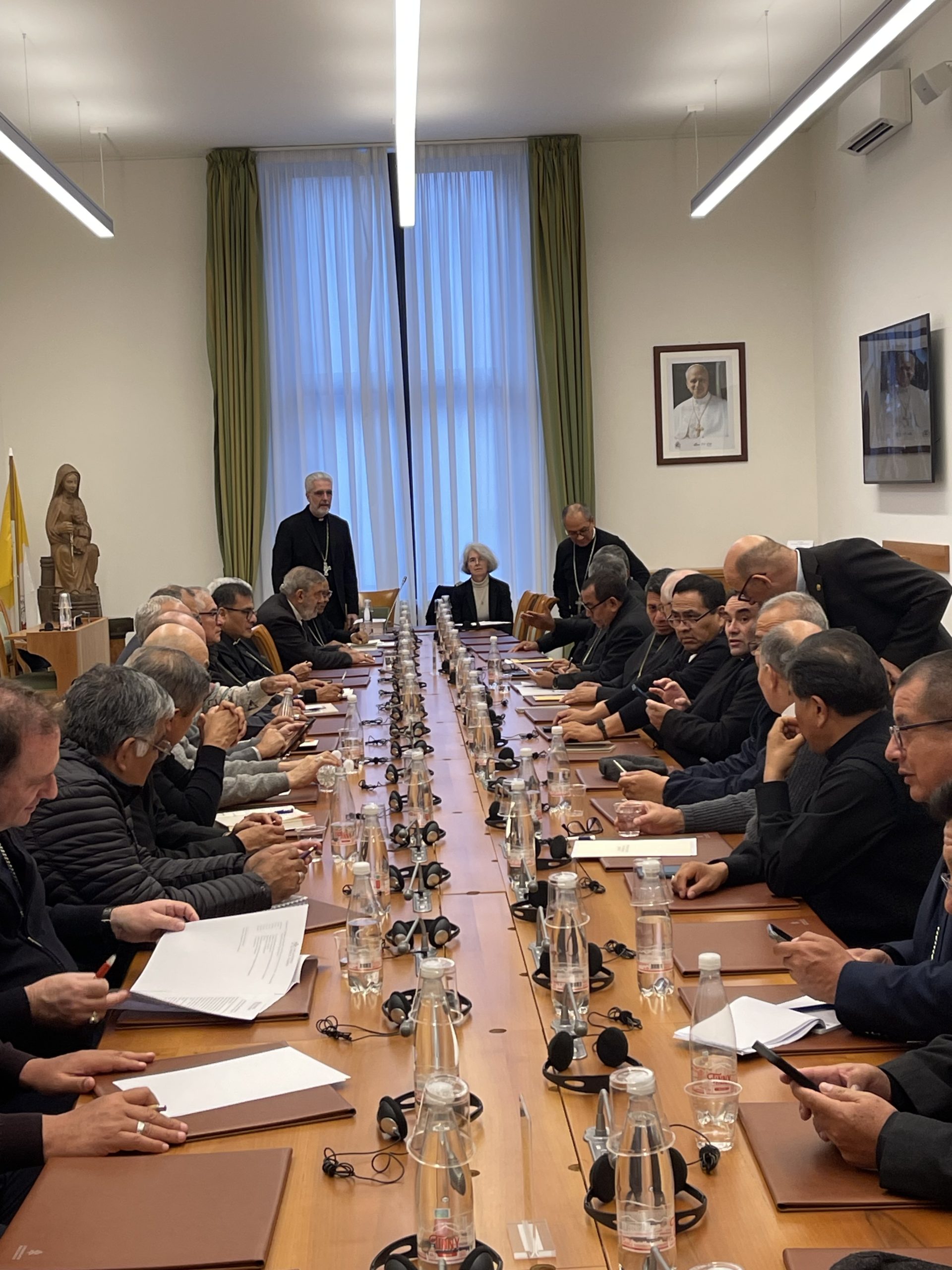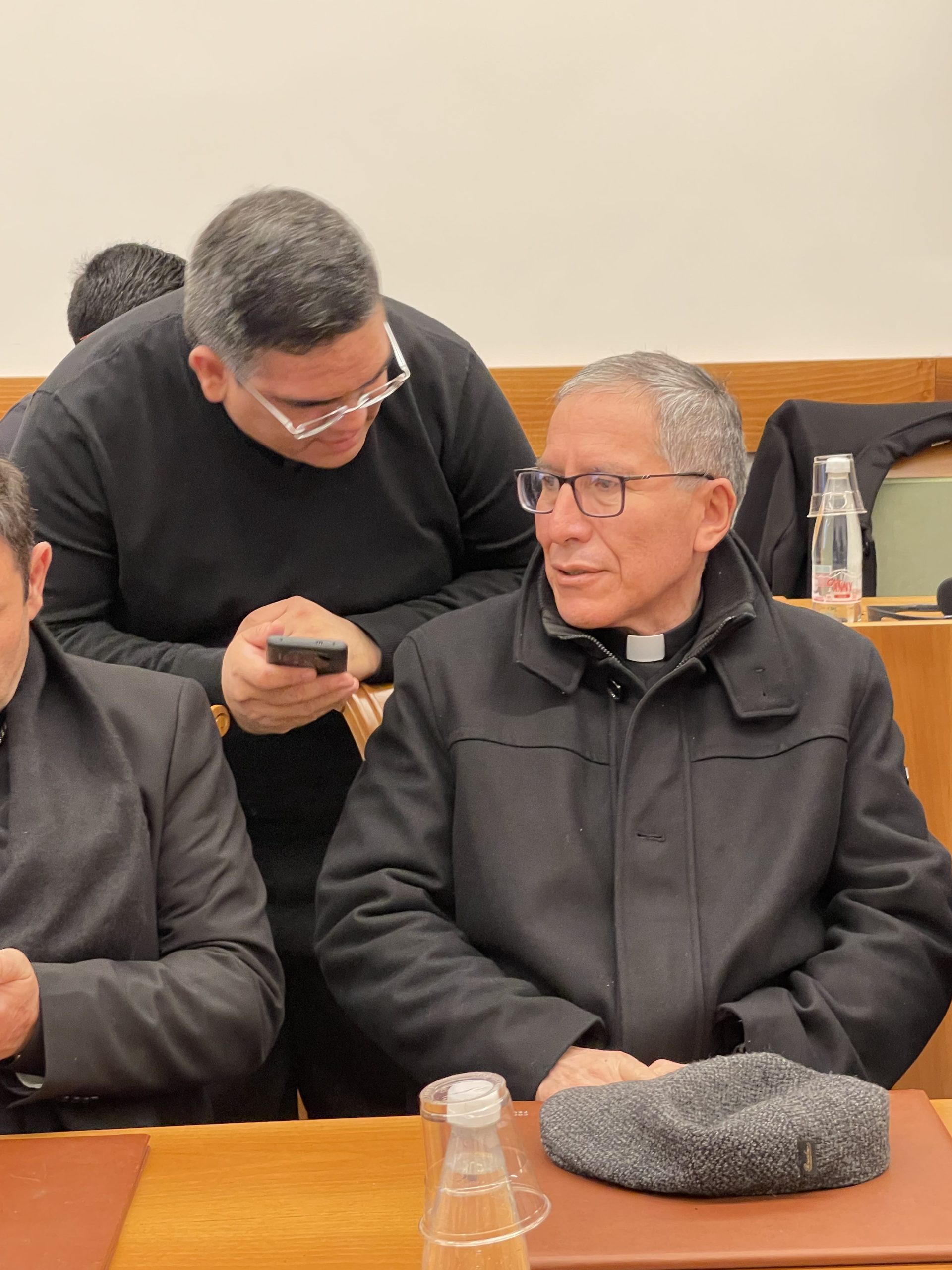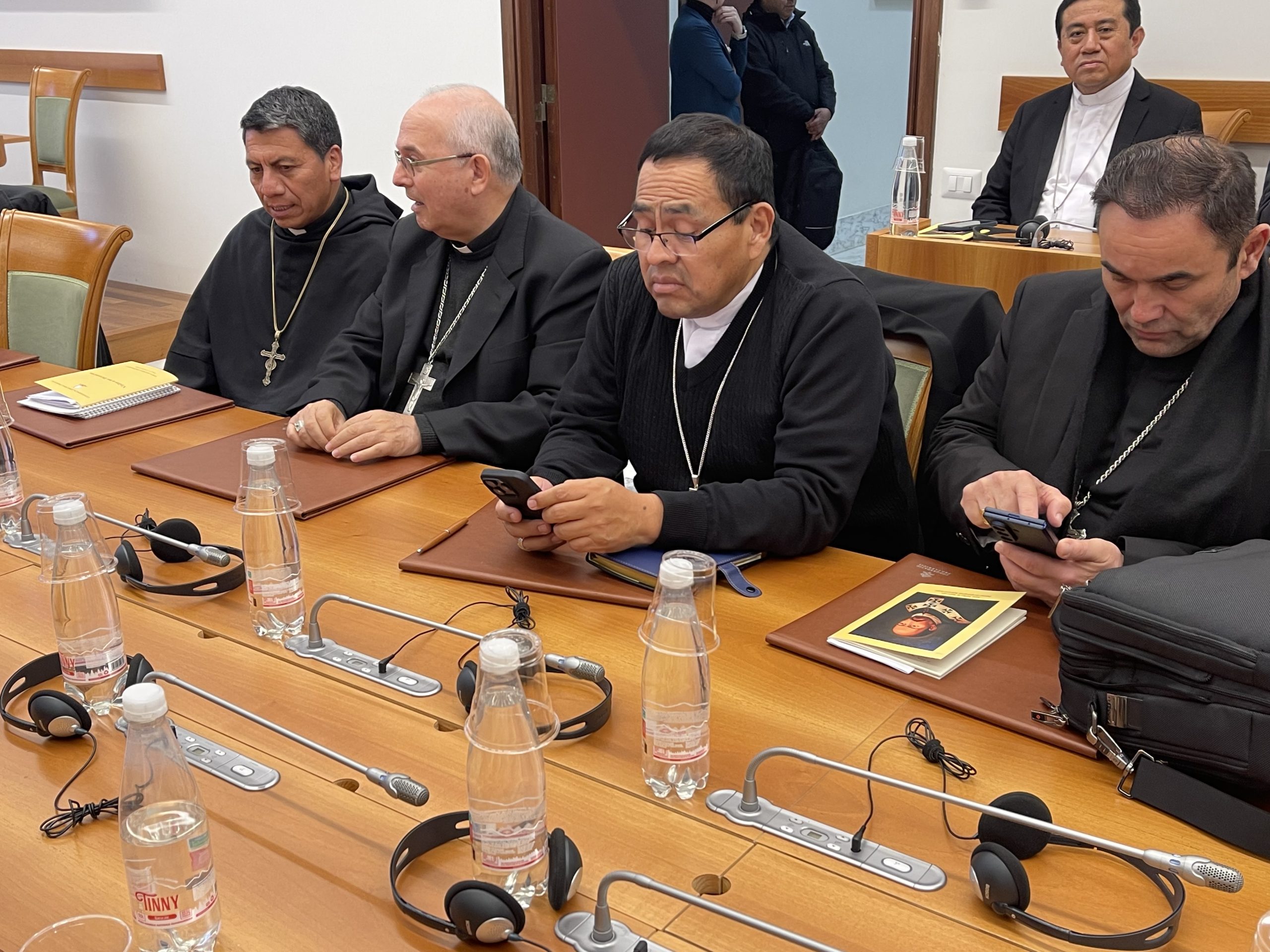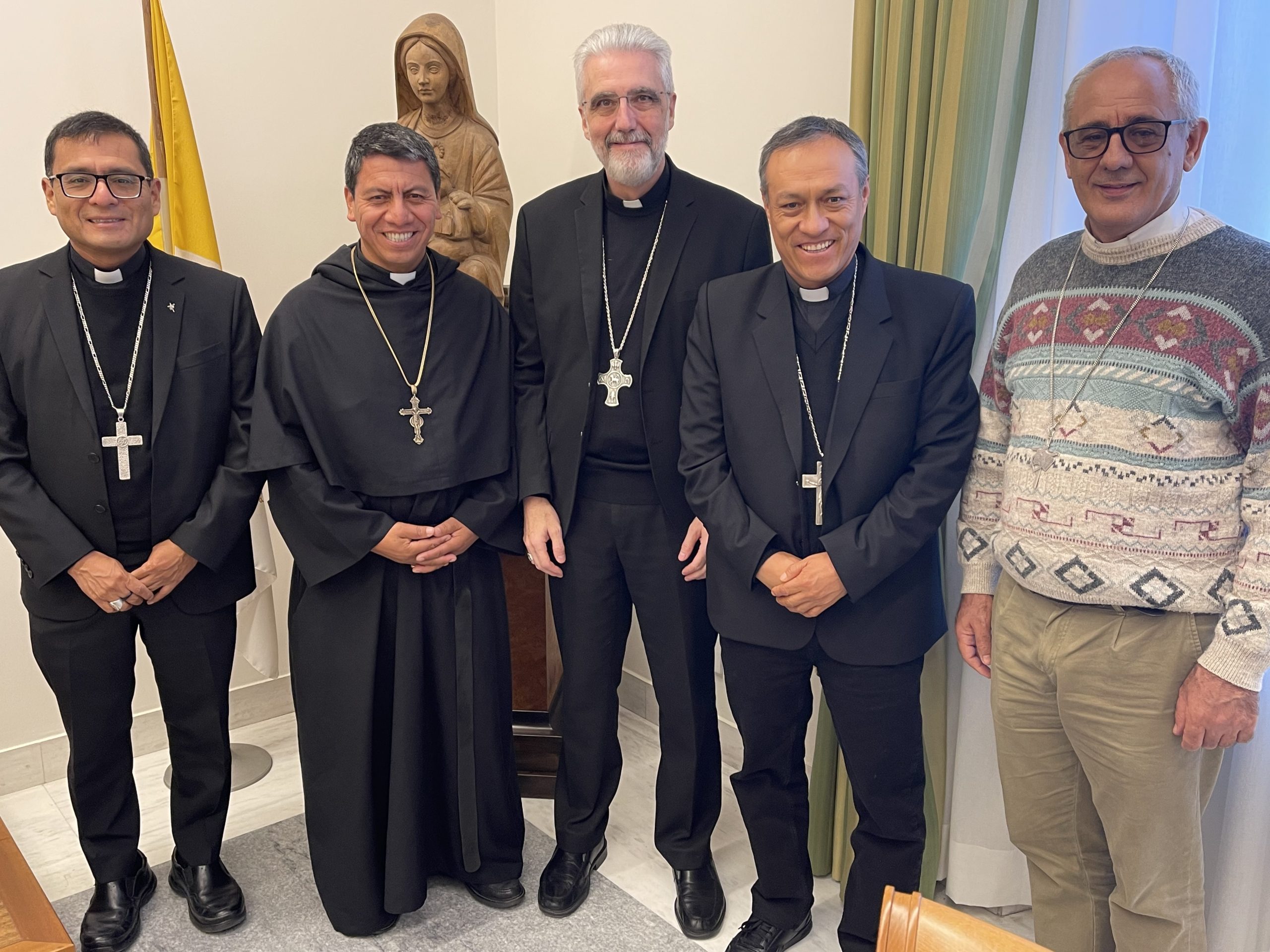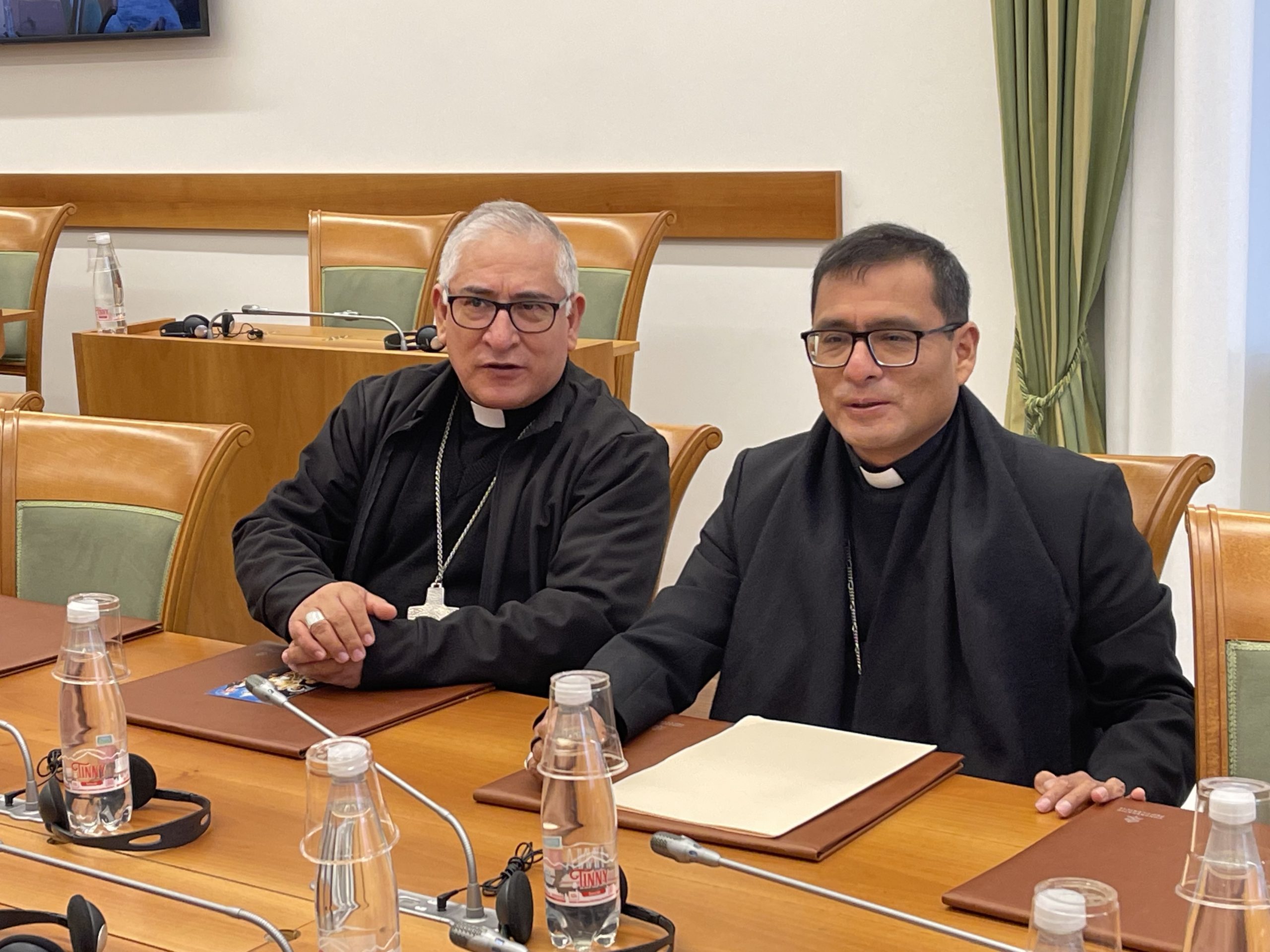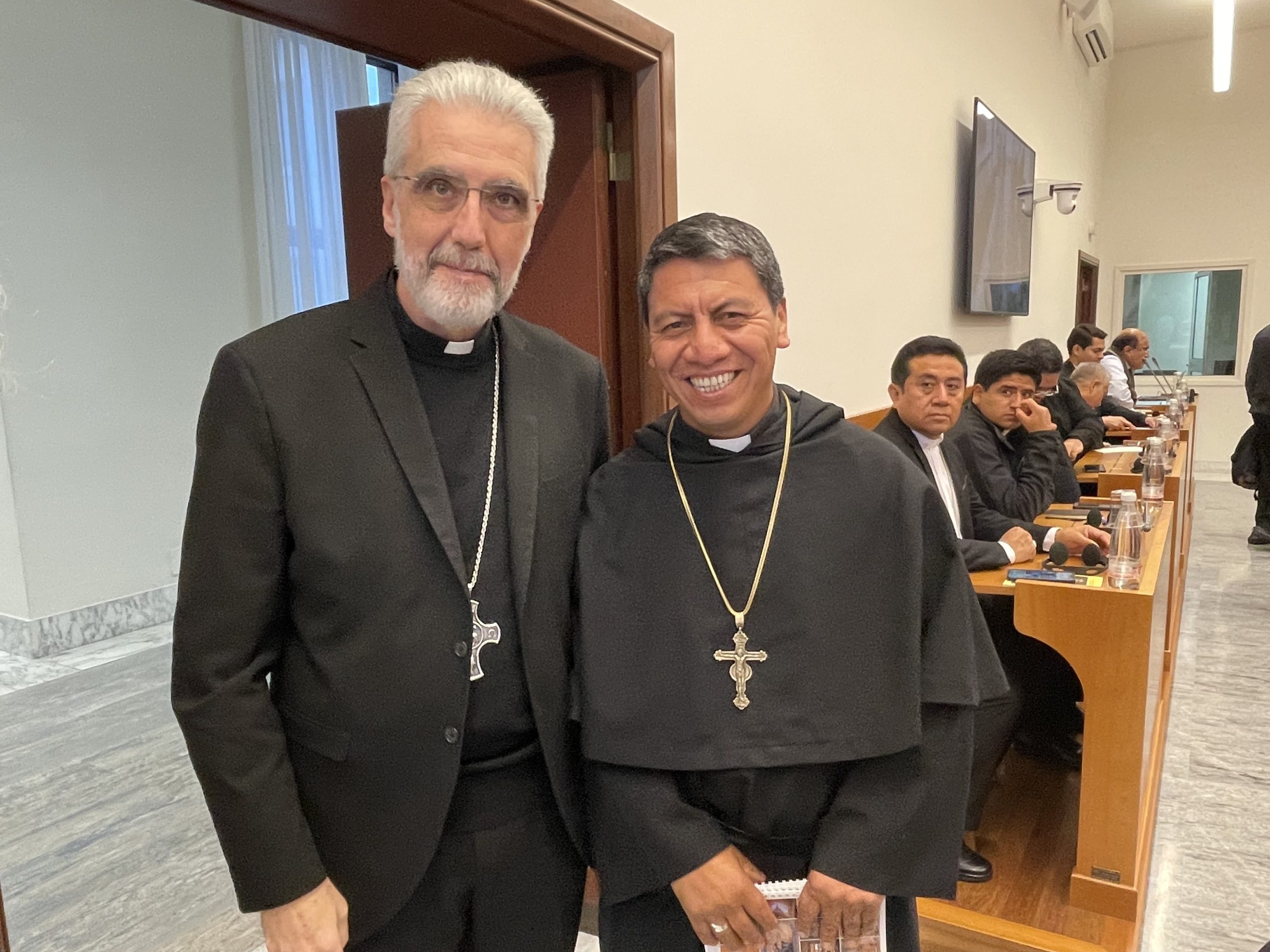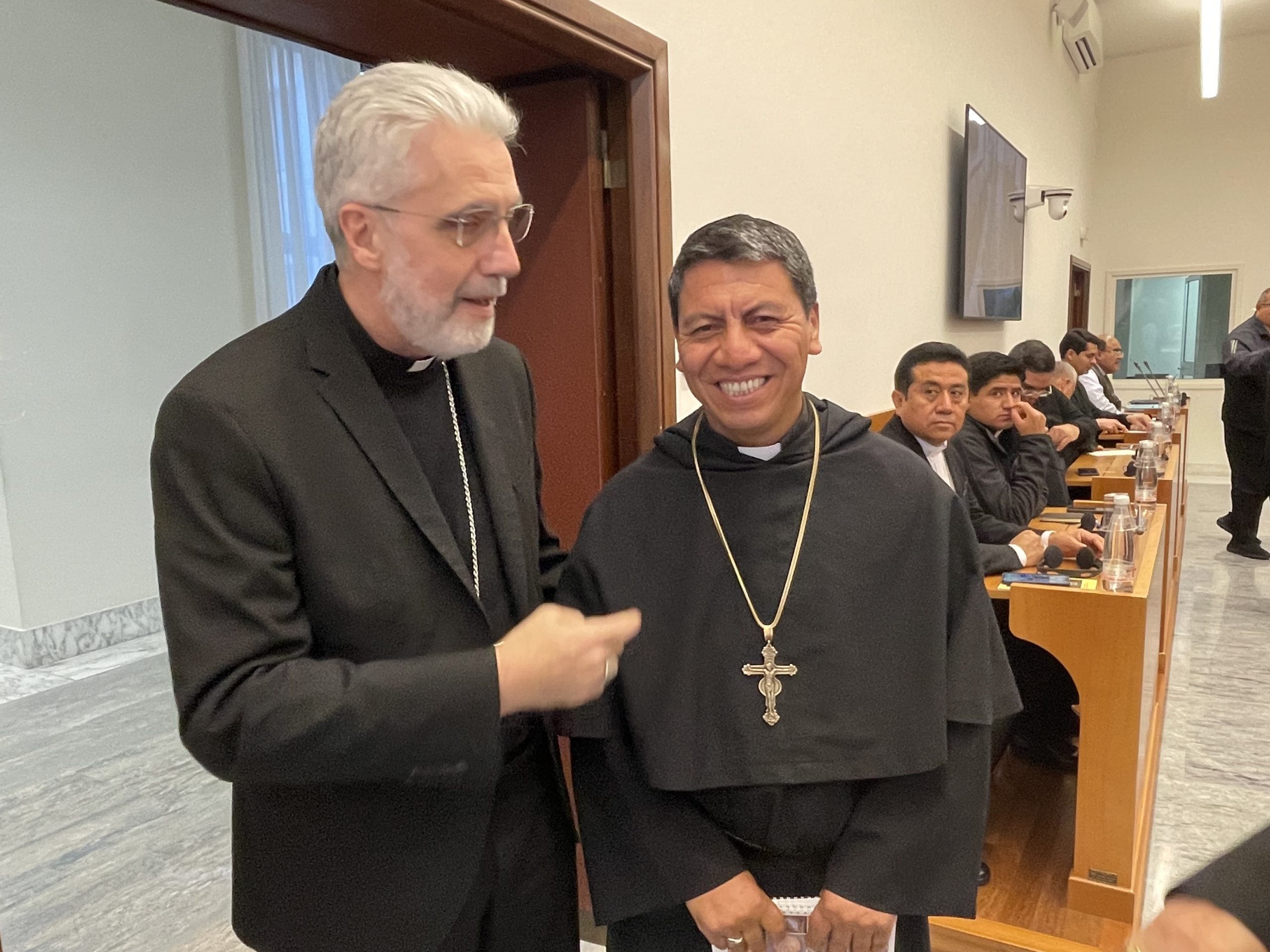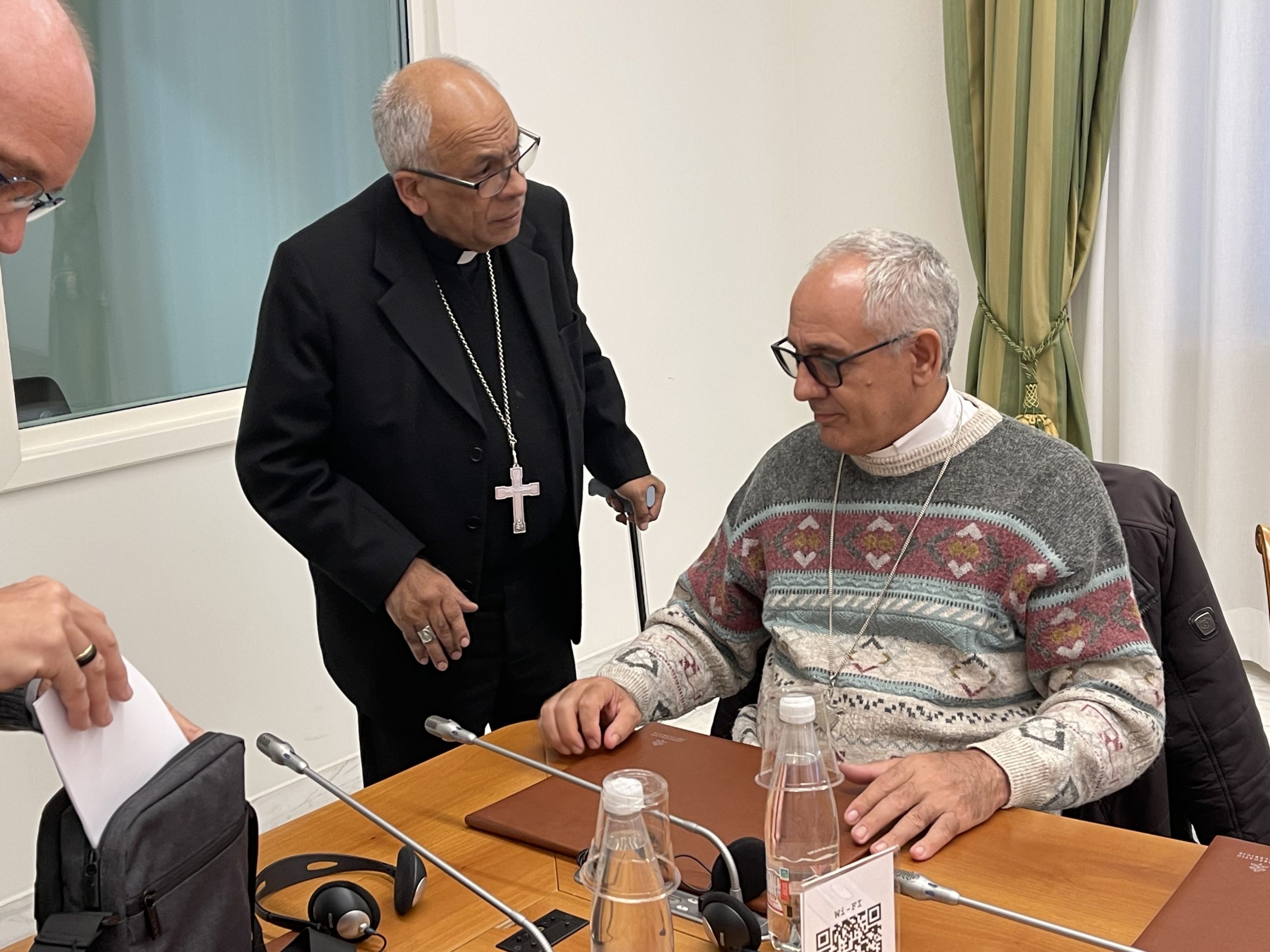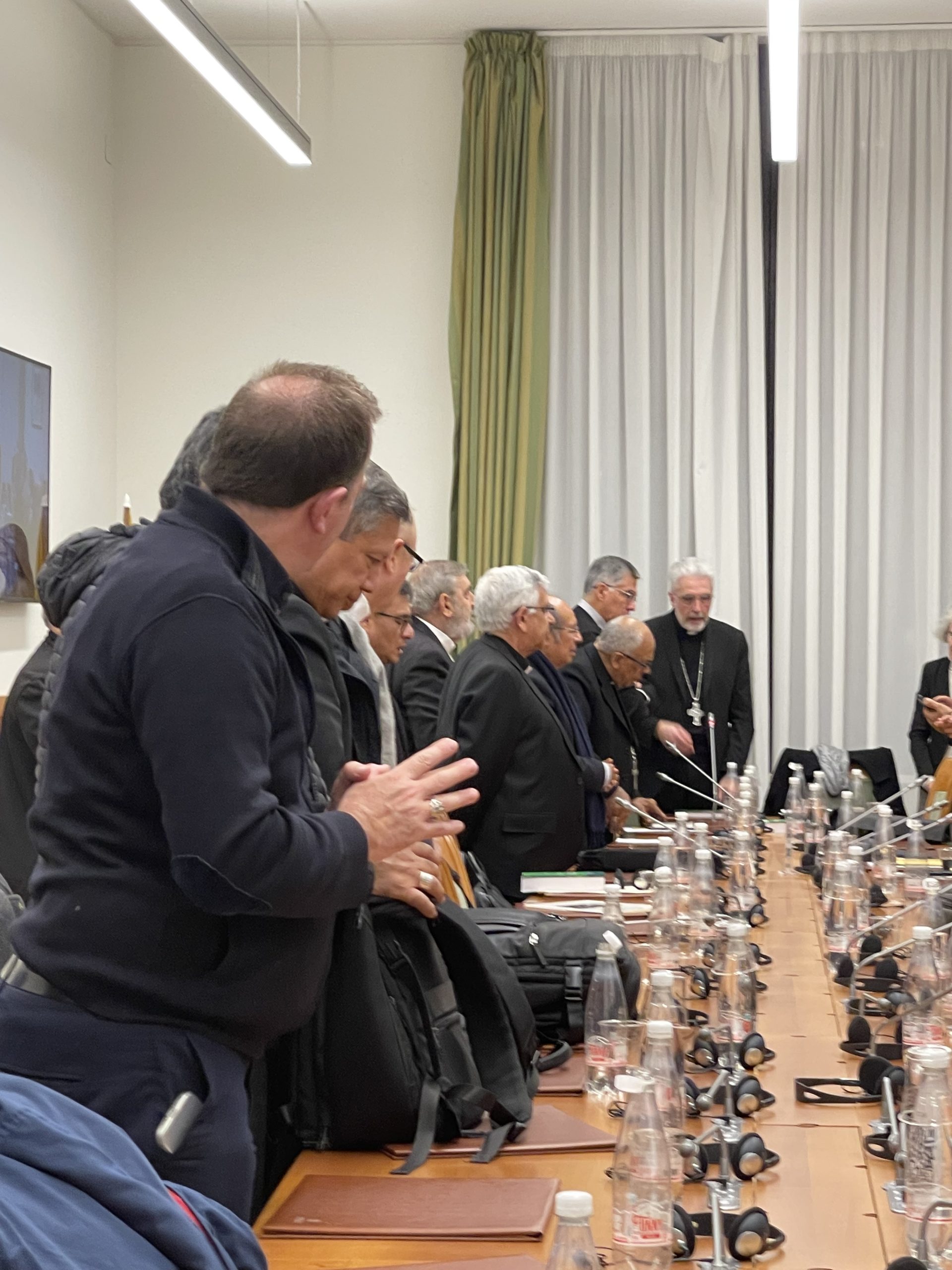
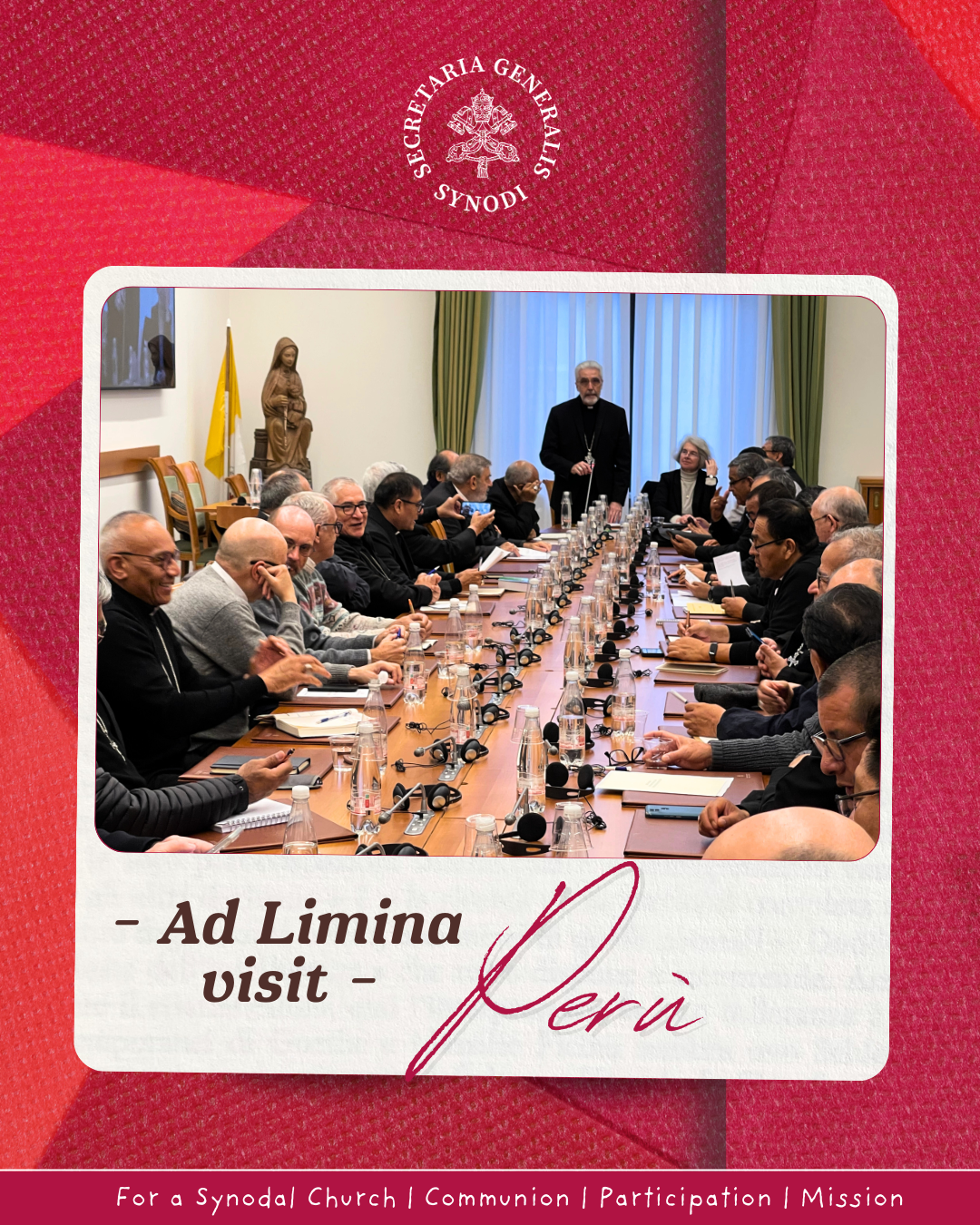
Yesterday afternoon, the heads of the General Secretariat of the Synod met with the bishops of the Peruvian Episcopal Conference on their ad limina visit to discuss the implementation phase of the Synod in in Peru. Through frank and fraternal dialogue, the following picture emerged.
The Church in Peru has responded with responsibility, fidelity, and creativity to the synodal process promoted by the universal Church. Aware of its limitations and the diversity of its realities, it continues to walk with hope, convinced that synodality is a gift of the Spirit for the renewal of the Church and a path of communion, participation, and mission.
The synodal journey has been part of a previous ecclesial itinerary of listening, discernment, and participation, particularly since the First Ecclesial Assembly of Latin America and the Caribbean convened by CELAM.
When the Synod on Synodality was officially inaugurated, the Peruvian Church responded with generosity and creativity, embracing the dynamic of listening as a true exercise in ecclesial co-responsibility. The process also highlighted important structural and pastoral challenges. Not all ecclesiastical jurisdictions have the same conditions to advance at the same pace. There are significant differences. In some cases, the shortage of priests, consecrated life, or pastoral agents makes the implementation phase of the Synod particularly complex. Large geographical distances and different cultural realities directly affect the possibility of convening, forming, and supporting stable synodal groups.
Faced with this situation, the Church in Peru has consciously chosen a path of pastoral patience, avoiding all forms of imposition or confrontation, and understanding that synodality is not an external program, but a constitutive dimension of the life of the Church, which requires time, maturation, and accompaniment. Experience confirms that synodality cannot be imposed, but must spring from an inner conviction (conversion), progressively assumed as the ordinary way of being Church.
Although many training sessions have been held virtually, the decisive importance of face-to-face training is recognized, especially in order to foster communion, dialogue, listening, community discernment, and real appropriation of the methodology of the Conversation in the Spirit.
From this experience, a clear conviction emerges: strengthening national synodal teams is crucial to the success of the implementation phase.
National teams have first-hand knowledge of the specific reality of each country and each ecclesiastical jurisdiction. This proximity allows them to adapt synodal materials to very diverse contexts.