Bishops’ Conference of Porto Rico
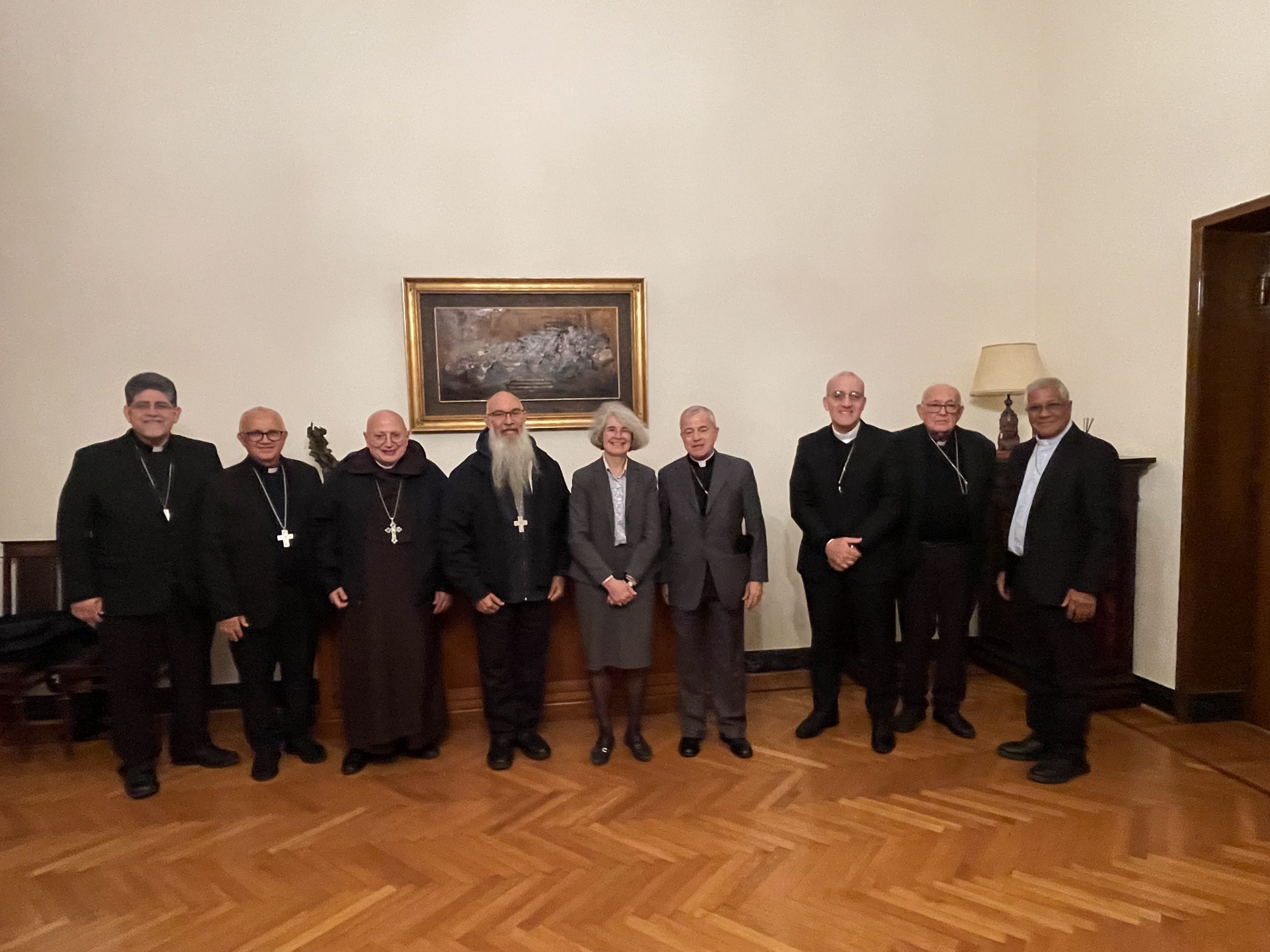
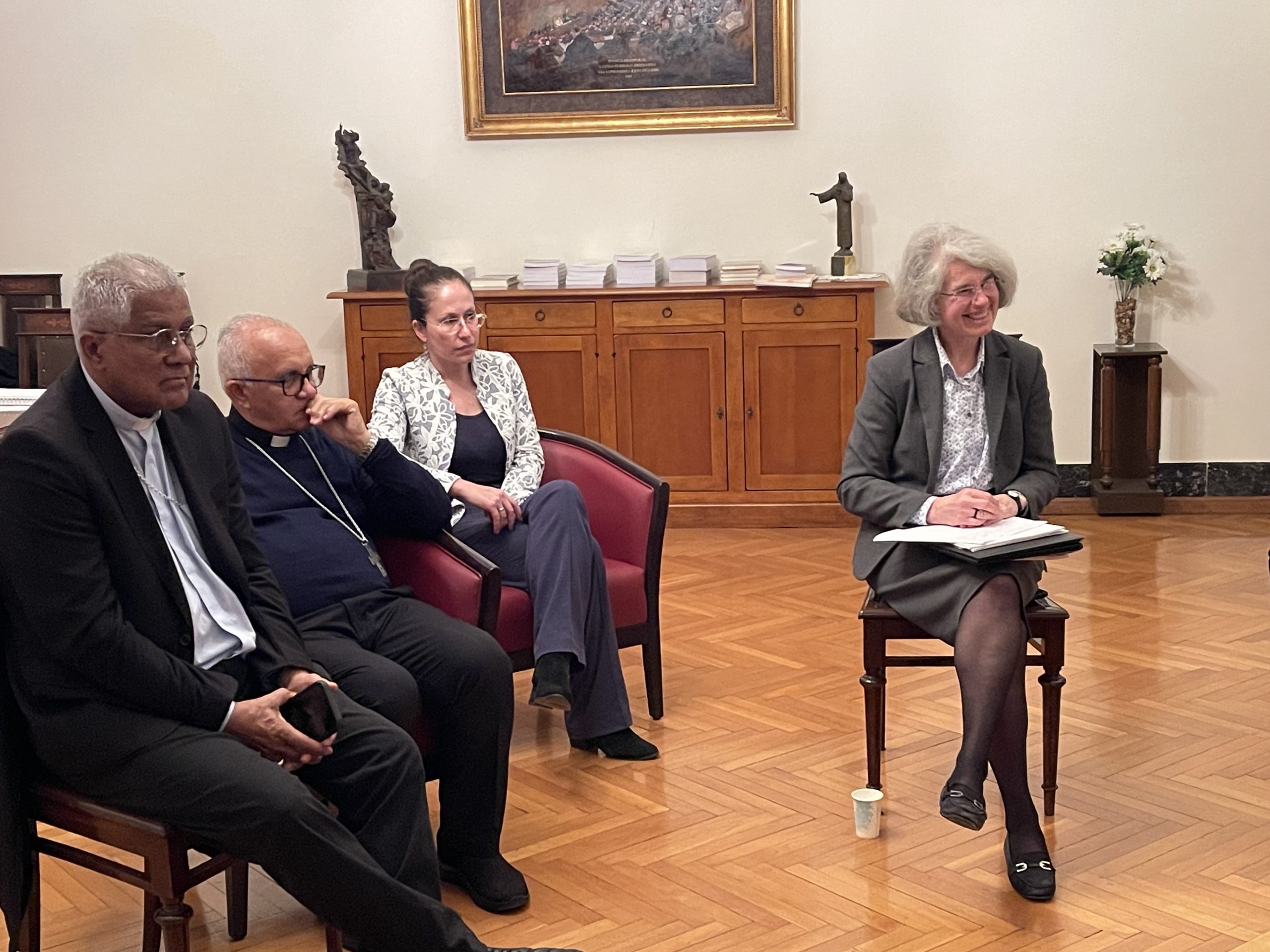
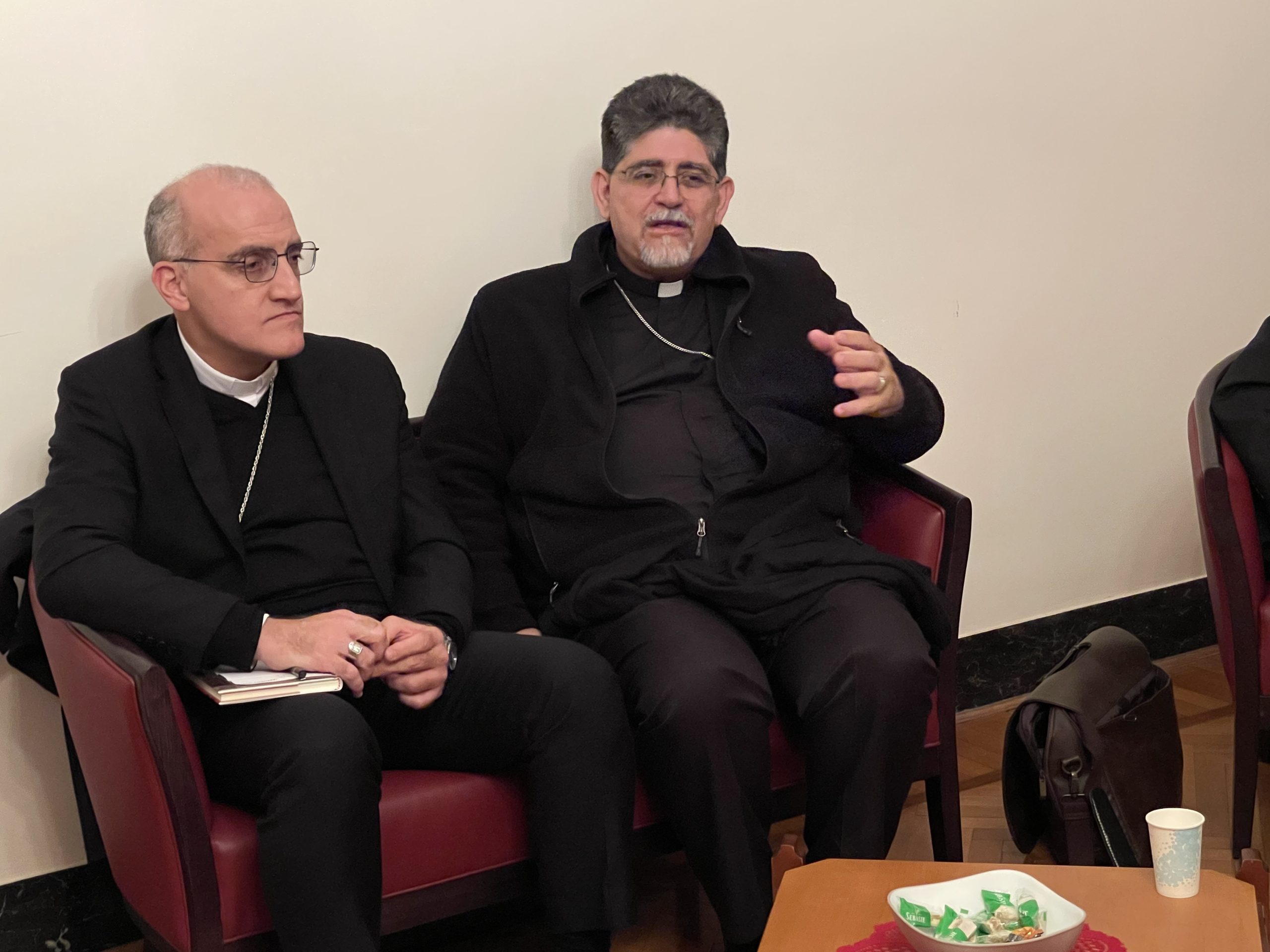
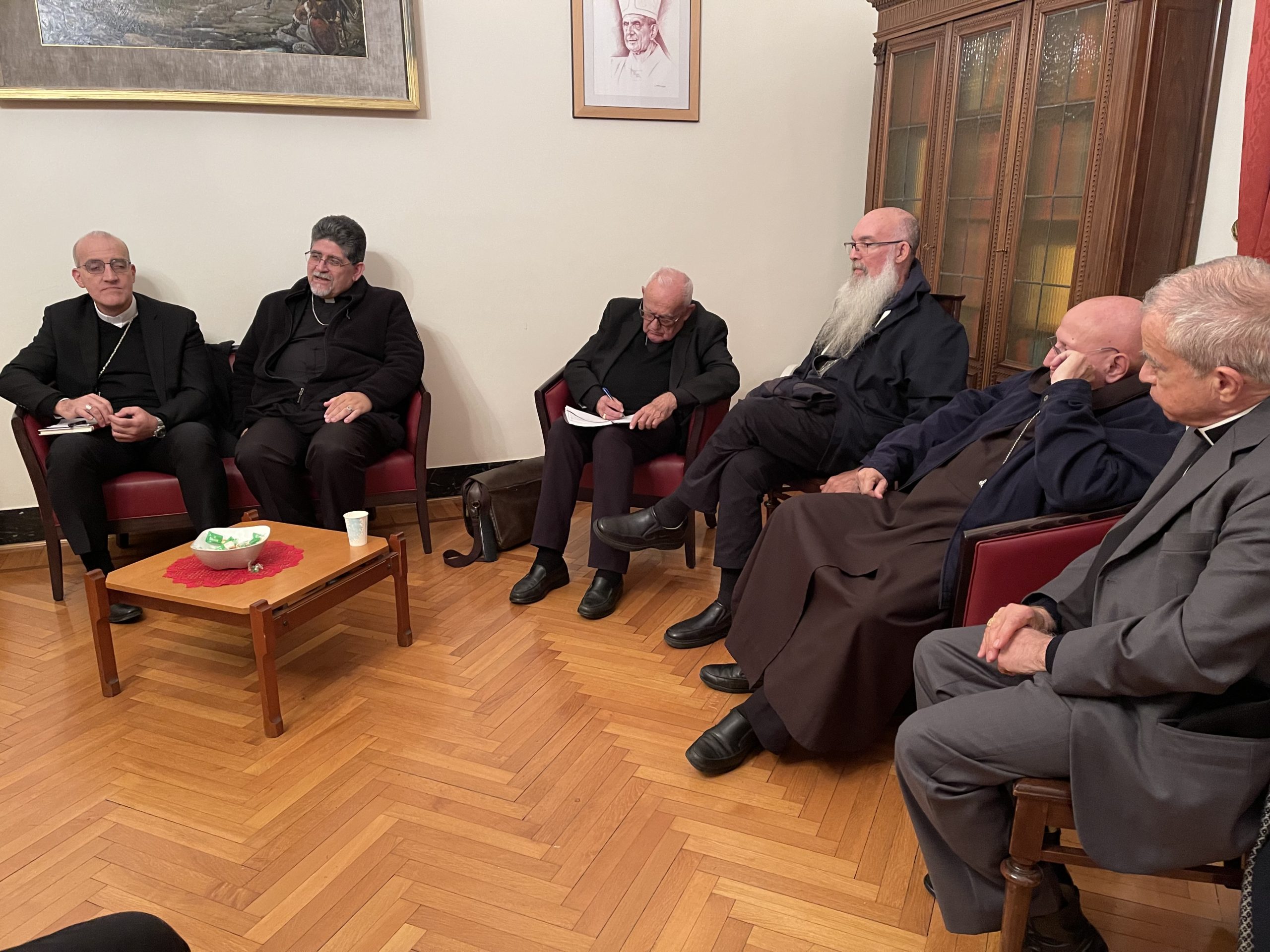
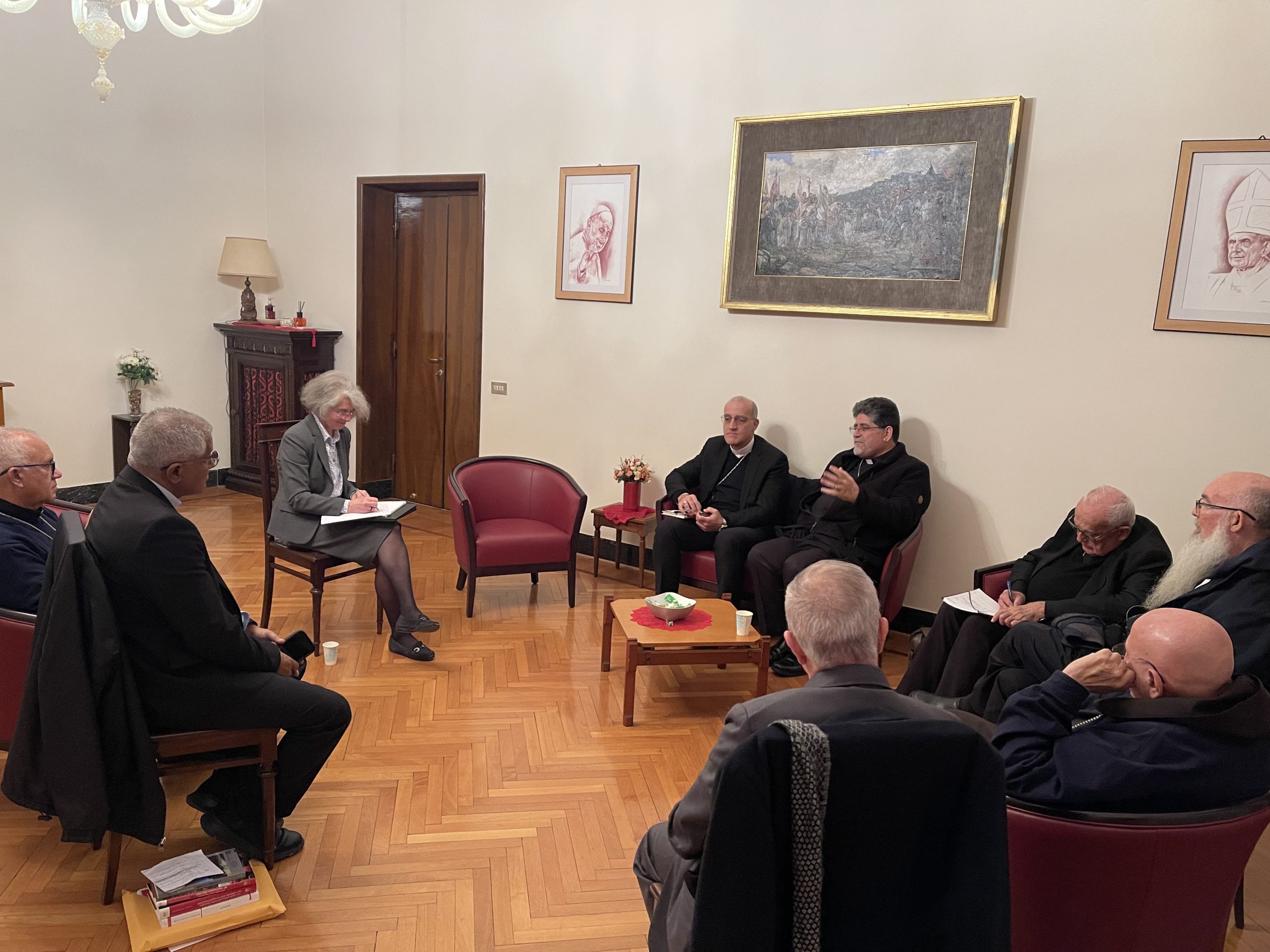
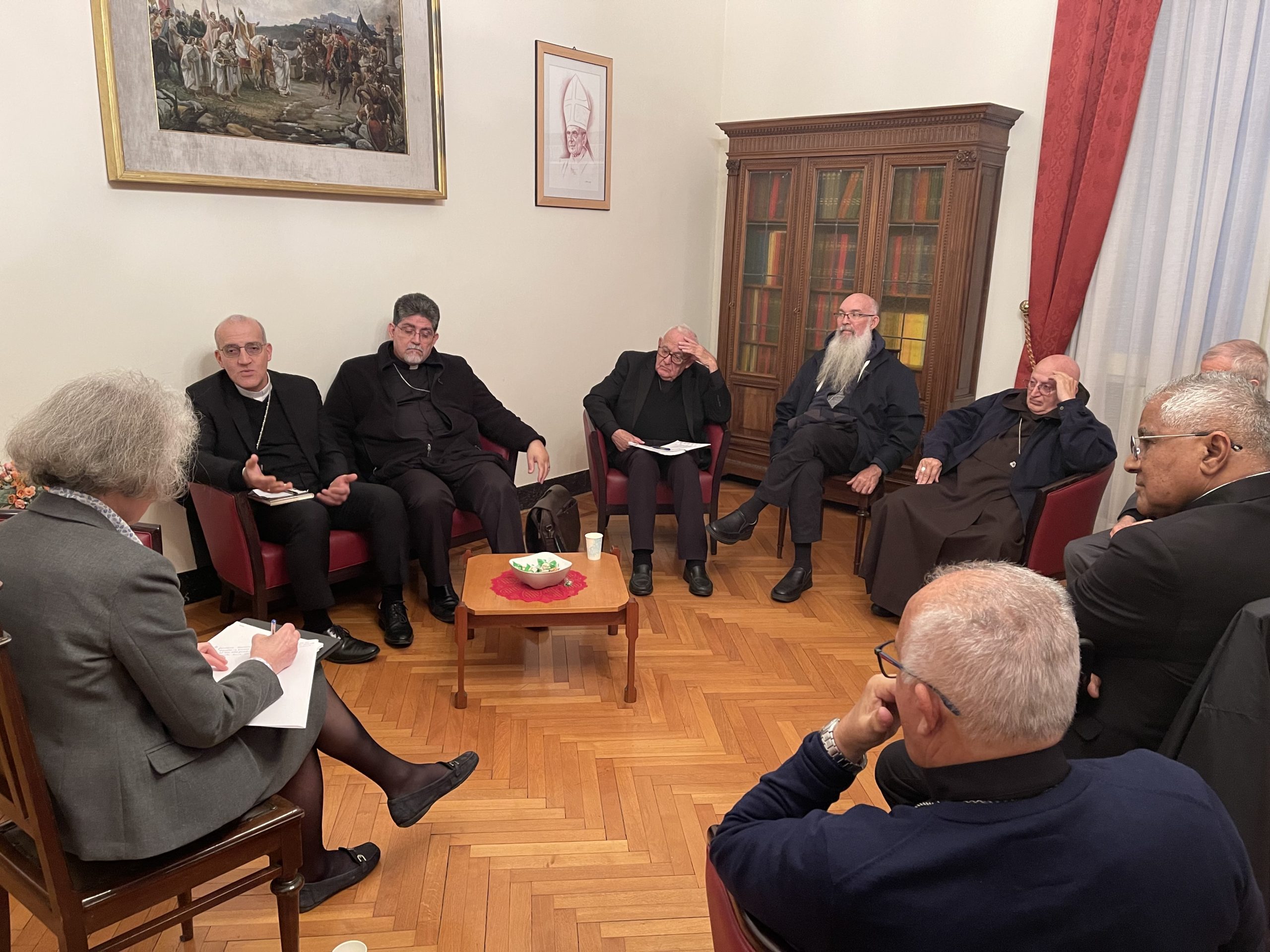
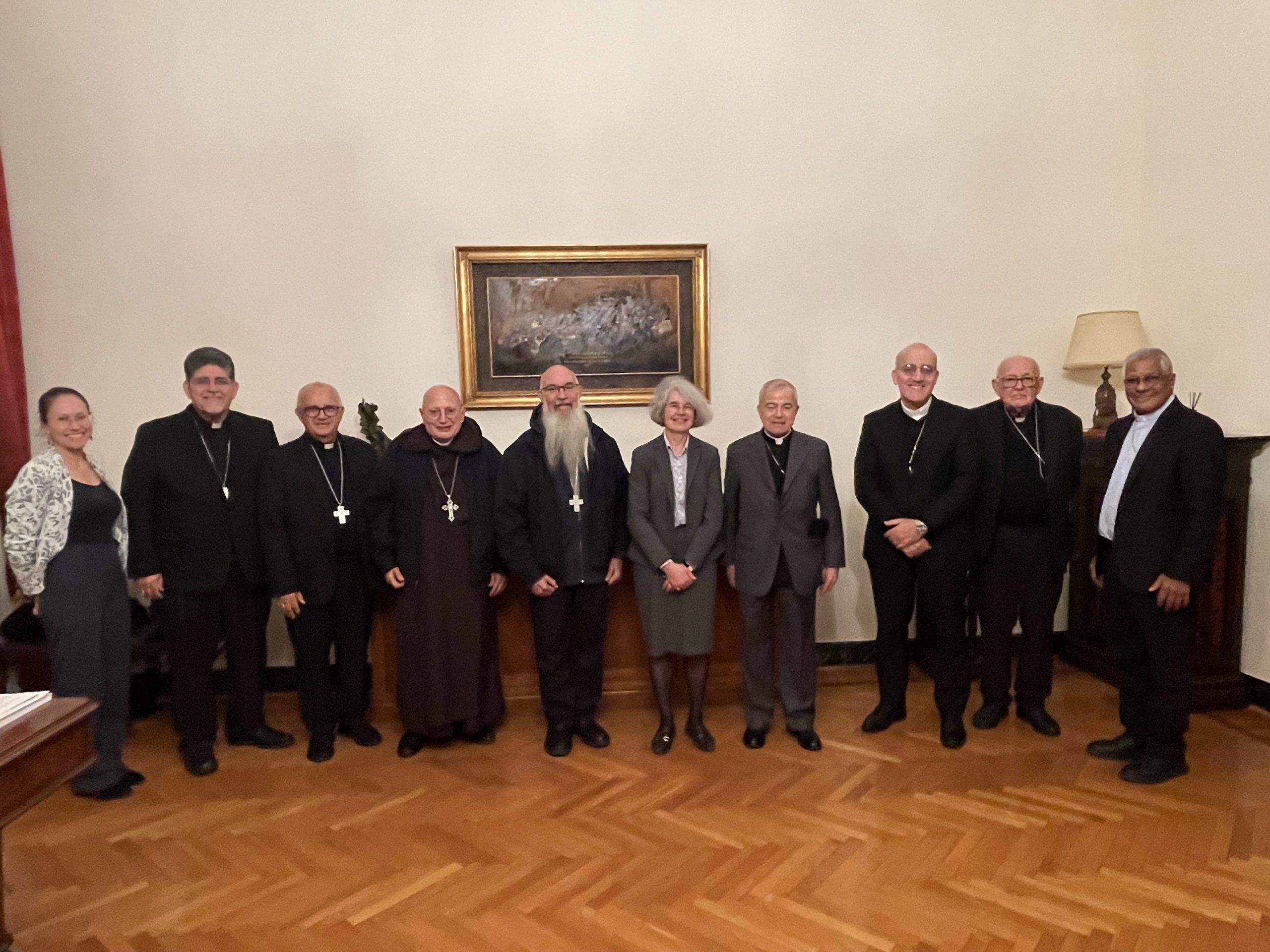
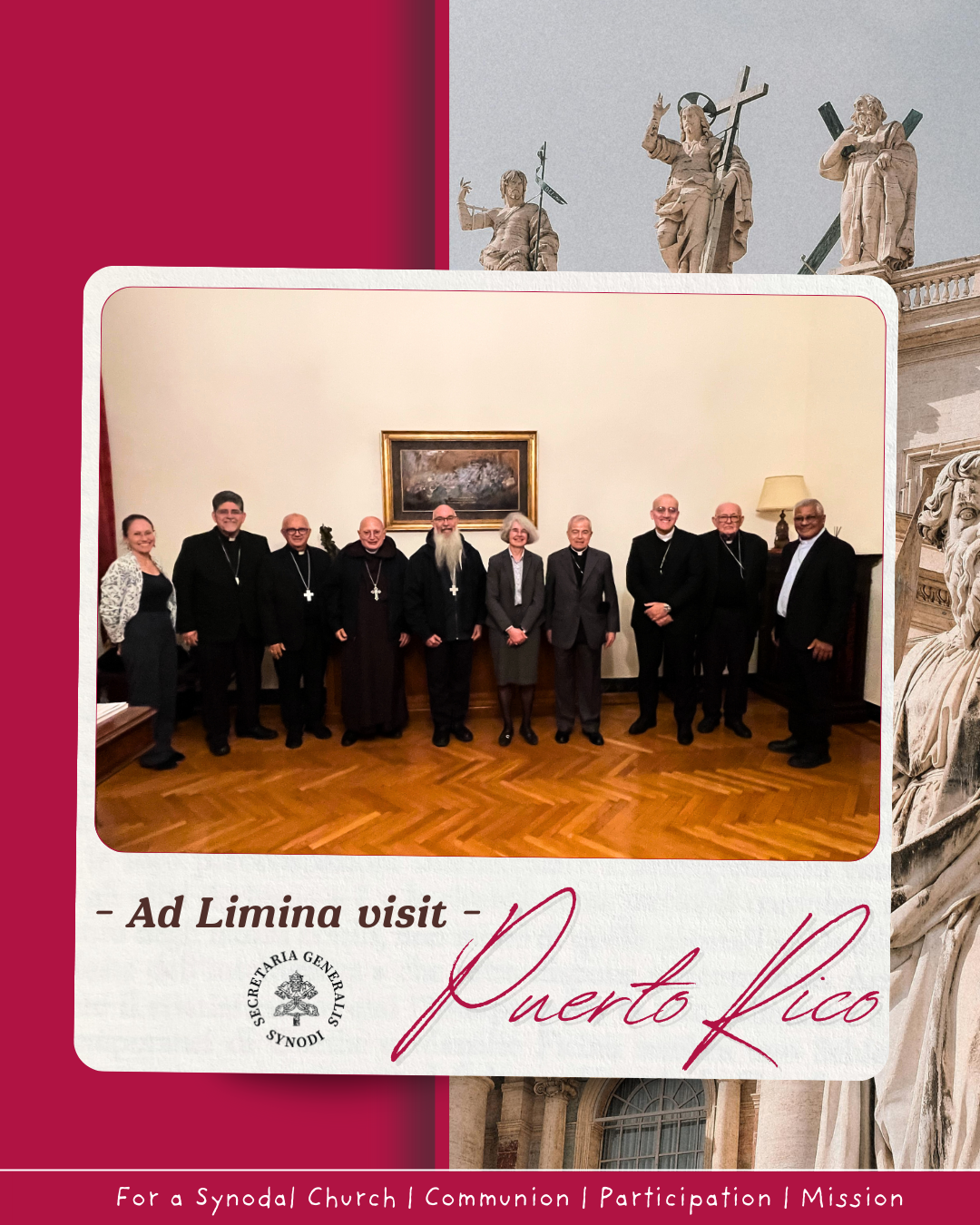
Yesterday afternoon, the General Secretariat of the Synod welcomed the bishops of Puerto Rico on their ad limina visit. The Catholic Church in the Puerto Rican archipelago comprises the Archdiocese of San Juan with five suffragan dioceses (the dioceses of Arecibo, Caguas, Fajardo-Humacao, Mayagüez and Ponce).
In Puerto Rico, too, the synodal process has generated a profound spiritual and structural renewal of the dioceses. It has been part of a synodal dynamic that began with the celebration of several diocesan synods, the CELAM Ecclesial Assembly (2021) and the 6th American Missionary Congress (2024), which has allowed for mutual enrichment.
All this was manifested in the renewal of teams and pastoral proposals seeking to evangelize the spirituality of communion, to pay greater attention to the poor and to bring about greater fraternity and service to the people of God.
The synod on synodality served, according to the bishops of Puerto Rico, to give priority to new issues, such as the provision of “safe” spaces for listening, the role of women, family and social dispersion, the urgency of recreating and healing the bonds essential for coexistence, and the synodal impulse at all levels: family, parish and interdiocesan ministries ...
“This process has given rise to the formation of new lay and clerical leadership,” they added, “to greater integration of consecrated communities, as well as to a stronger bond between particular Churches through their vicars and pastoral coordinators and pastors, […], and lay people have begun to show greater interest in their baptismal identity and mission.
Despite the positive assessment, the bishops of Puerto Rico emphasized the urgent need for greater participation by young and lay people in the pastoral and administrative structures of the Church, and the creation of more spaces for sharing and spiritual encounters.
The six dioceses are currently engaged in dialogue and listening processes to continue promoting the synodal missionary dynamic and to organise the necessary synodal structures and groups.